
SPIDER Automation M3 Anti-Vibration Rubber Damper Balls | FPV F4 & F7 Flight Controller Vibration-Isolation Mounts
Description
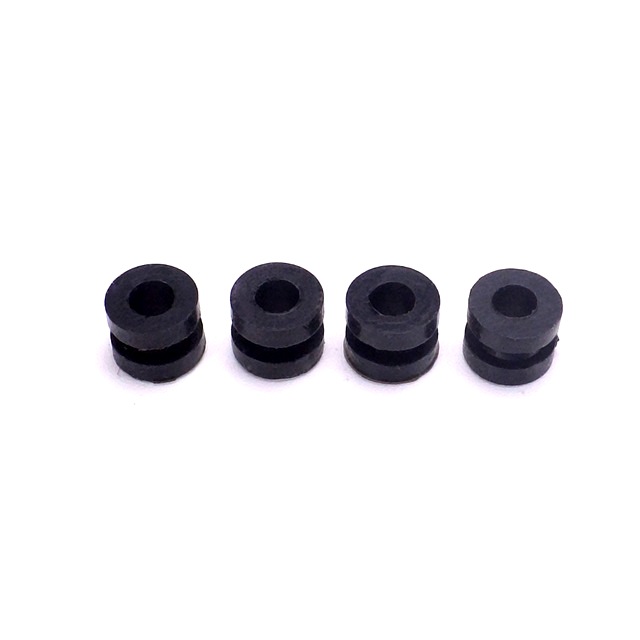
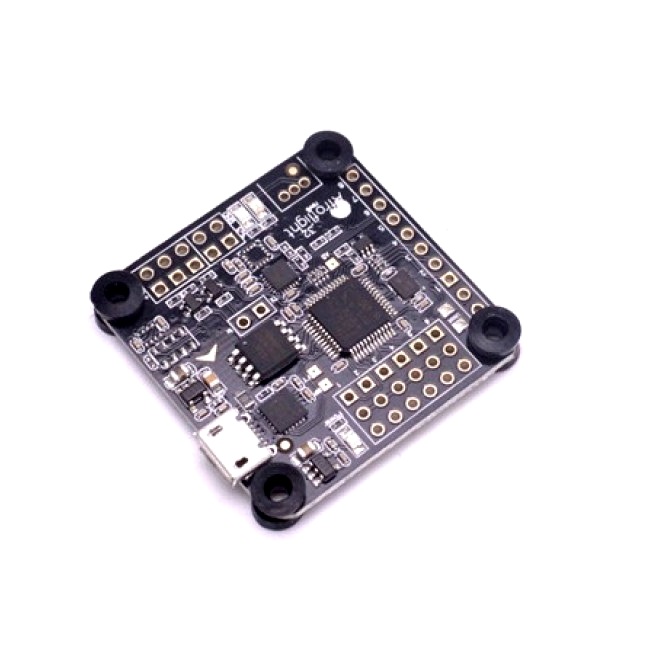
The M3 Anti-Vibration Rubber Damper Balls are compact mechanical isolation mounts developed for compatible FPV flight-controller installations. Designed for use with F4 and F7 flight-controller mounting arrangements, these rubber components create a compliant interface between the controller board and its supporting structure. Their purpose is to help reduce the transmission of frame vibration and mechanical disturbances to sensitive flight-control electronics.
Vibration isolation is important in FPV aircraft because motor operation, propeller imbalance and frame resonance can introduce unwanted mechanical movement into the flight-controller mounting assembly. Flexible rubber damper balls help reduce direct vibration transfer, supporting the operating conditions required by onboard gyroscope and accelerometer sensors. The resulting isolation depends on the overall mounting design, controller weight, rubber compression and vibration frequency.
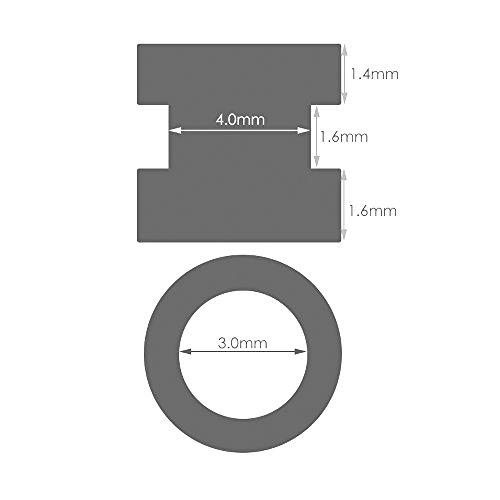
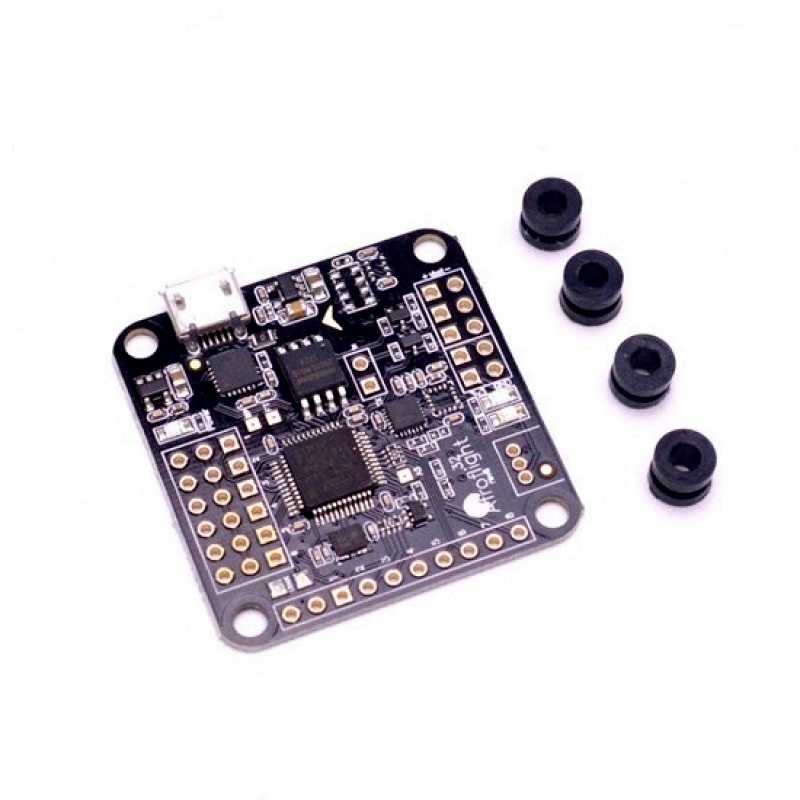
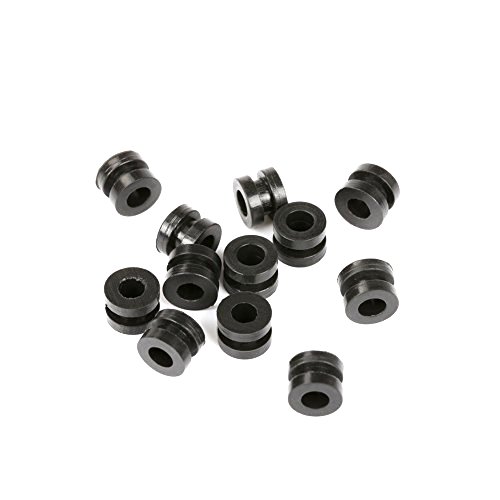
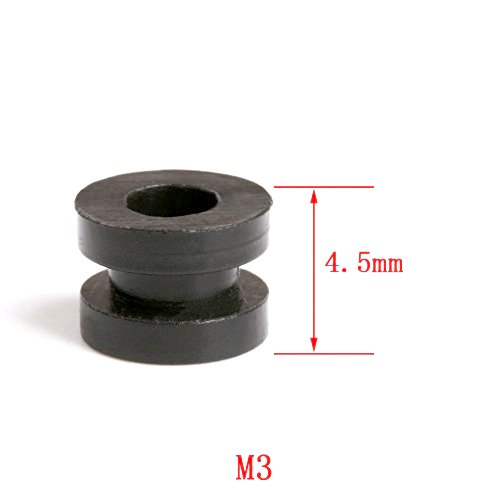
Each damper ball has a 3mm internal bore, 6mm outside diameter and 4.5mm height. The M3 mounting interface supports installation with compatible hardware and flight-controller frames. The set contains four black rubber damper balls for a suitable four-point mounting arrangement.
Key Features
- Mechanical Vibration Isolation: Flexible rubber construction helps reduce vibration transmission between the FPV frame and flight-controller mounting points.
- Designed for FPV Flight Controllers: Intended for compatible F4 and F7 flight-controller mounting arrangements used in FPV quadcopters.
- M3 Hardware Compatibility: The 3mm internal bore accommodates compatible M3 mounting hardware.
- Compact Mounting Footprint: A 6mm outside diameter supports installation in compact flight-controller stacks.
- 4.5mm Mounting Height: Provides a compact compliant mounting interface between the board and supporting structure.
- Flexible Rubber Construction: Allows controlled mechanical compliance compared with a rigid mounting connection.
- Sensor Vibration Management: Helps reduce frame-borne vibration reaching the flight controller’s inertial measurement sensors.
- Four-Point Mounting Set: Four damper balls are supplied for compatible mounting layouts.
- Black Rubber Finish: Suitable for integration with common black FPV frames and electronic mounting assemblies.
Vibration-Isolation Function
Flight controllers use inertial sensors to measure aircraft movement and orientation. Mechanical vibration transmitted through the frame can affect the sensor environment and may contribute to unwanted noise in flight-control measurements. Installing compliant rubber damper balls between the controller and its mounting structure can help reduce this mechanical coupling.
The rubber elements act as compliant mounting interfaces rather than rigid spacers. Their effectiveness depends on the controller’s mass, mounting pressure, rubber deformation, frame stiffness and the frequency of the vibration being transmitted. Correct mounting is important: excessive compression or an unsuitable mounting arrangement can reduce the intended isolation effect.
Mechanical Design & Mounting Dimensions
- Internal Bore: 3mm, intended for compatible M3 mounting hardware.
- Outer Diameter: 6mm, providing a compact mounting footprint.
- Height: 4.5mm, defining the damper’s nominal vertical dimension.
- Material: Rubber, providing flexibility and mechanical compliance.
- Colour: Black.
Applications
- FPV F4 Flight Controllers: Vibration-isolation mounting for compatible F4 controller boards.
- FPV F7 Flight Controllers: Compliant mounting for compatible F7 flight-controller assemblies.
- FPV Quadcopter Frames: Reducing direct mechanical coupling between the frame and flight-controller mounting points.
- Flight Controller Stack Assemblies: Installing vibration-isolation elements in compatible stacked electronics arrangements.
- Gyroscope-Based Flight-Control Systems: Helping manage frame-borne vibration around inertial sensor assemblies.
- Accelerometer-Based Flight-Control Systems: Providing a compliant mounting interface for boards using accelerometer measurements.
- Multirotor Electronics Integration: Vibration-isolation mounting for compatible multirotor flight-control electronics.
- FPV Aircraft Maintenance: Replacing worn, damaged or missing rubber mounting dampers in compatible installations.
- Flight Controller Mounting Upgrades: Adding compliant mounting elements to frames designed for M3 damper-ball installation.
- Custom UAV Electronics Mounting: Integrating compatible flight-control boards into custom mounting structures using M3 hardware.
Package Includes
- 4 × M3 Anti-Vibration Rubber Damper Balls
Product Specifications
| Parameter | Specification |
|---|---|
| Product Type | Anti-vibration rubber damper balls |
| Mounting Application | FPV flight-controller vibration isolation |
| Compatible Controller Types | Compatible F4 and F7 flight controllers |
| Mounting Bore Diameter | 3mm (M3) |
| Outer Diameter | 6mm |
| Height | 4.5mm |
| Material | Rubber |
| Colour | Black |
| Mounting Hardware Interface | M3-compatible |
| Quantity | 4 pieces |
Installation & Operating Recommendations
- Verify Mounting Compatibility: Confirm that the flight-controller board and frame use a mounting arrangement compatible with the 3mm bore and 6mm damper diameter.
- Use Compatible M3 Hardware: Select mounting screws or fasteners appropriate for the board, frame and damper arrangement.
- Install Evenly: Position the four dampers consistently so the controller is supported without uneven loading or unwanted board tilt.
- Avoid Excessive Compression: Tighten the mounting hardware carefully. Excessive compression can reduce rubber compliance and compromise the intended isolation behaviour.
- Check Board Clearance: Ensure that the flight controller does not contact the frame, standoffs or other rigid components in a way that bypasses the rubber isolation points.
- Inspect Rubber Condition: Check for cracks, deformation or deterioration before installation and during routine aircraft maintenance.
- Verify Mounting Stability: Confirm that the board remains securely supported and does not move excessively during handling or aircraft operation.
- Perform Ground Testing: Check controller sensor readings and vibration behaviour after installation before proceeding to flight testing.