

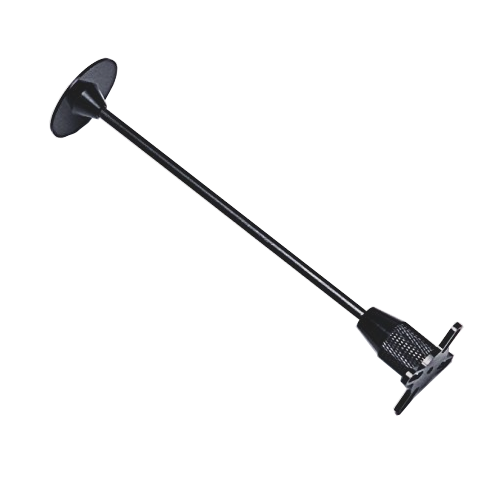

SPIDER Automation Universal Folding GPS Antenna Mount Base Set | 140mm Elevated UAV GPS Mounting Bracket
Description
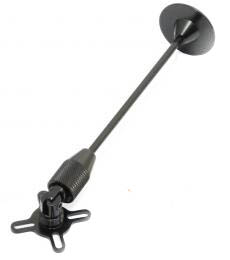
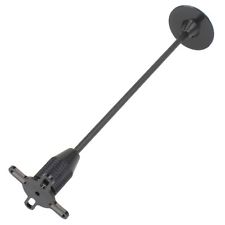
The SPIDER Automation Universal Folding GPS Antenna Mount Base Set is a mechanical mounting assembly designed to elevate GPS antennas and GPS/compass modules above multirotor UAV and FPV quadcopter frames. Its extended mounting arrangement helps provide a clearer view of the sky, reducing physical obstruction around the antenna and allowing more suitable positioning for satellite reception.
GPS and compass modules installed close to motors, electronic speed controllers, power distribution wiring and radio equipment may be affected by electromagnetic interference. By raising the navigation module above the main airframe, this mount helps increase separation from potential interference sources and provides greater flexibility when arranging onboard electronics.
The assembly combines a CNC aluminium alloy structure with a 4mm-diameter carbon-fibre composite rod. Its foldable design supports convenient transportation and storage, while the 40mm upper mounting plate and 35mm base plate provide the main mechanical mounting interfaces. The base supports an M3 mounting-hole arrangement or cross-slide installation, depending on the aircraft frame configuration.
Key Features
- 140mm Elevated Mounting Height: Positions the GPS antenna or navigation module above the airframe for improved exposure to the surrounding sky.
- Foldable Mounting Mechanism: Allows the elevated structure to be folded for transportation and storage without requiring tools for the folding operation.
- CNC Aluminium Alloy Components: Provides a rigid mounting structure using machined aluminium alloy components.
- Carbon-Fibre Composite Support Rod: Uses a 4mm-diameter rod as part of the elevated mounting structure.
- 40mm Upper GPS Plate: Provides a circular mounting surface for compatible GPS antenna or module assemblies.
- 35mm Mounting Base: Provides the lower mounting interface for attachment to a compatible aircraft frame.
- M3 Mounting Provision: Supports installation through the base plate’s M3 mounting-hole arrangement.
- Cross-Slide Mounting: Offers an alternative mounting arrangement for compatible frame and bracket configurations.
- Improved Component Separation: Helps position GPS/compass electronics farther from motors, ESCs and high-current electrical wiring.
- Lightweight Construction: The approximately 20g assembly adds limited mounting mass to compatible multirotor platforms.
- Black Appearance: Provides a neutral black finish for integration with different aircraft frame configurations.
Mechanical Design & Construction
The mount uses a combination of aluminium alloy components and a carbon-fibre composite support rod. The elevated structure supports the GPS mounting plate while the lower base attaches to the aircraft frame. The foldable joint allows the assembly to be repositioned when the aircraft is being transported or stored.
- Upper Mounting Platform: 40mm-diameter GPS plate for compatible navigation modules.
- Support Structure: 4mm-diameter carbon-fibre composite rod.
- Base Interface: 35mm-diameter mounting base.
- Frame Attachment: M3 base mounting hole or cross-slide mounting arrangement.
- Folding Function: Tool-free folding for compact handling during transportation and storage.
GPS Positioning & Interference Separation
GPS antennas generally benefit from an unobstructed view of the sky. Mounting the antenna above the aircraft frame can reduce obstruction from the airframe and nearby components. The extended support also helps create physical separation between the navigation module and onboard electronics that may generate electromagnetic interference.
This mounting arrangement is useful when designing the layout of GPS receivers, digital compasses, power wiring and radio equipment. Actual positioning and compass performance still depend on antenna orientation, installation quality, electromagnetic conditions and the GPS receiver itself.
Applications
- FPV Quadcopter GPS Mounting: Elevates GPS modules above the main frame of FPV quadcopters.
- Multirotor UAV Navigation: Provides a mounting structure for GPS navigation modules used on multirotor aircraft.
- GPS/Compass Module Installation: Supports elevated installation of combined GPS and digital compass assemblies.
- APM Flight-Control Platforms: Provides a mechanical mounting option for compatible APM-based UAV configurations.
- Pixhawk-Based UAVs: Supports GPS module positioning on compatible Pixhawk aircraft installations.
- GPS Antenna Elevation: Raises GPS antennas above nearby airframe structures and components.
- Compass Interference Management: Helps increase separation between compass sensors and potential electromagnetic interference sources.
- Power-System Separation: Supports aircraft layouts where GPS modules need to be positioned away from ESCs and high-current wiring.
- UAV Electronics Integration: Provides a dedicated mounting position for navigation electronics during airframe assembly.
- Autonomous Flight Platforms: Supports mechanical installation of GPS modules used by compatible autonomous flight-control systems.
- Drone Frame Customisation: Provides an elevated mounting arrangement for custom multirotor frame configurations.
- Transportable UAV Systems: The folding structure allows the mounting assembly to be folded during storage and transportation.
Package Includes
- 1 × Universal Folding GPS Antenna Mount Base Set with Mounting Accessories
Note: GPS module, GPS antenna and adhesive mounting pad are not included.
Product Specifications
| Parameter | Specification |
|---|---|
| Product Type | Folding GPS Antenna Mount Base Set |
| Primary Application | GPS and GPS/compass module mounting on UAVs and multirotor aircraft |
| Mounting Design | Foldable elevated mounting structure |
| Overall Height | Approximately 140mm |
| GPS Mounting Plate Diameter | 40mm |
| Base Plate Diameter | 35mm |
| Support Rod Diameter | 4mm |
| Mounting Hole Spacing | 16–35mm |
| Primary Structural Material | CNC aluminium alloy |
| Support Rod Material | Carbon-fibre composite |
| Colour | Black |
| Folding Operation | Tool-free folding mechanism |
| Base Mounting Options | M3 mounting hole or cross-slide mounting arrangement |
| Adhesive Mounting Pad | Not included |
| Product Weight | Approximately 20g |
| Package Quantity | 1 set |
Installation & Operating Recommendations
- Check Frame Compatibility: Confirm that the aircraft frame provides a suitable mounting surface and that the 35mm base and stated 16–35mm mounting-hole spacing are compatible with the intended installation.
- Verify M3 Mounting Hardware: Use suitable M3 hardware where the base mounting hole is used. Confirm screw length and clearance to avoid damaging underlying components.
- Secure the GPS Module: Use a suitable separately sourced adhesive pad or mechanical mounting method. The adhesive mounting pad is not included.
- Position for Sky Visibility: Orient the GPS antenna so its active receiving surface has a clear view of the sky.
- Maintain Electrical Separation: Position the elevated module away from ESCs, motors, high-current power cables and other potential interference sources.
- Check Rod and Joint Security: Ensure the support rod and folding joint are firmly secured before operating the aircraft.
- Inspect Folding Mechanism: Check that the mount is fully deployed and stable before flight. Avoid unintended movement or folding during operation.
- Protect Connected Cables: Route GPS and compass cables with sufficient slack for the folding mechanism while keeping them clear of propellers and moving parts.
- Verify Compass Performance: Perform compass calibration and check heading stability after final installation, particularly if the module position or nearby wiring has changed.
- Inspect Before Operation: Check the mounting base, rod, fasteners and GPS module attachment for looseness or damage before each flight.