
SPIDER Automation | 3-Hole Adhesive Battery Insulation Mat for 18650/18350 Cells | 50 Pcs
The SPIDER Automation 3-Hole Adhesive Battery Insulation Mat is a terminal insulation accessory developed for three-cell arrangements using cylindrical 18650 and 18350 battery cells. Its three-hole configuration is intended to provide insulation around the terminal regions of the cells during battery pack assembly.
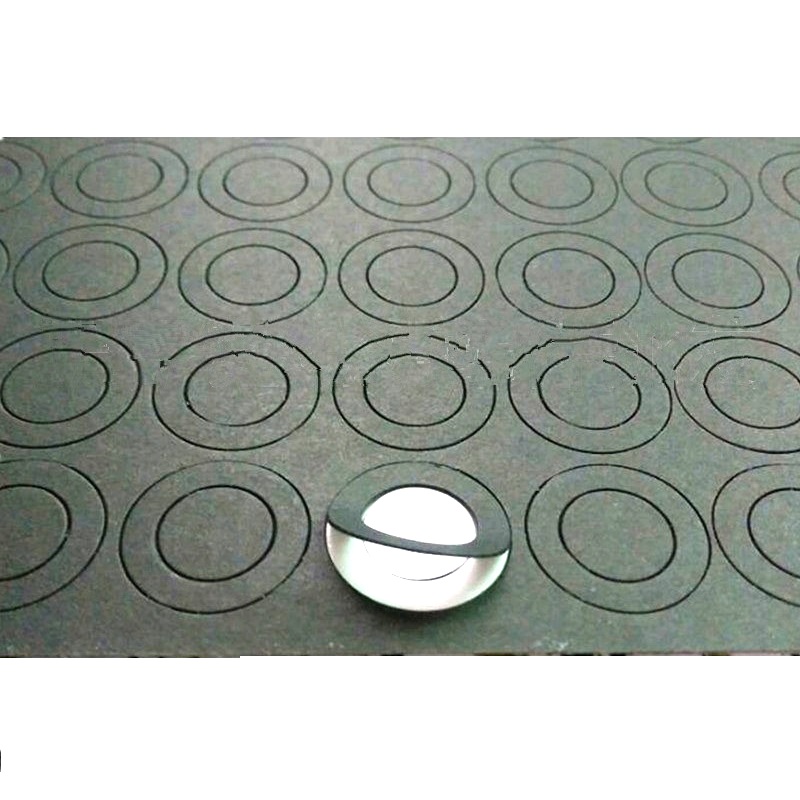
The mat features a thin insulating paper construction with an adhesive backing for peel-and-stick application. It can be positioned on the appropriate cell surfaces to help separate conductive areas and reduce the possibility of unintended electrical contact during battery pack fabrication. Each sheet contains 50 individual insulation mats.
Technical Features & Functional Benefits
- Three-Cell Insulation Layout: The three-hole arrangement is designed for battery assemblies using three cylindrical cells.
- Adhesive Application: The peel-and-stick format allows the insulation mat to be positioned directly on the intended battery surface.
- Terminal Area Coverage: The ring-shaped openings and surrounding insulating material support insulation around battery terminal regions.
- Short-Circuit Risk Reduction: Helps prevent accidental electrical contact between exposed conductive areas when correctly positioned.
- Thin Construction: The 0.25mm profile is suitable for compact battery pack assembly.
- Multi-Piece Sheet: Each sheet provides 50 individual mats for repeated assembly work.
Applications
This adhesive insulation mat is intended for terminal insulation in cylindrical-cell battery assemblies and related battery fabrication work.
- 18650 Battery Pack Assembly: For terminal insulation in suitable three-cell battery arrangements.
- 18350 Battery Pack Assembly: For insulation around terminal areas in compatible three-cell configurations.
- DIY Battery Pack Projects: For custom rechargeable battery pack fabrication.
- Battery Pack Refurbishment: For replacing suitable terminal insulation during battery assembly maintenance.
- Portable Power Projects: For selected battery insulation requirements in compact power systems.
- Battery Assembly Workshops: For routine insulation work involving cylindrical lithium-ion cells.
How to Use
- Prepare the Surface: Ensure the intended cell surface is clean and dry before applying the insulation mat.
- Remove the Release Liner: Carefully peel the required insulation mat away from its backing paper.
- Position the Mat: Align the three-hole arrangement with the intended three-cell layout and place it on the appropriate terminal-side surface.
- Apply the Insulation: Press gently to secure the adhesive mat in position without folding or displacing it.
- Complete the Battery Assembly: Proceed with the required interconnections and welding process using a suitable battery pack design and appropriate welding equipment.
Package Contents
- 1 × Three-Hole Adhesive Battery Insulation Mat Sheet (50 Pieces)
Product Specifications
| Parameter | Specification |
|---|---|
| Product Type | Adhesive Battery Insulation Mat |
| Configuration | Three-Hole / Three-Cell |
| Compatible Cell Formats | 18650 / 18350 |
| Material | Insulating Paper |
| Adhesive Type | Self-Adhesive |
| Inner Ring Diameter | 10mm |
| Outer Ring Diameter | 17mm |
| Thickness | 0.25mm |
| Colour | Dark Green |
| Quantity | 50 Pieces |
Connection & Operating Recommendations
Correct positioning of terminal insulation is important when assembling cylindrical-cell battery packs. Align the mat with the cell arrangement and ensure that the insulating material covers the intended conductive areas without interfering with the required electrical connections.
- Cell Arrangement: Match the three-hole layout to the physical arrangement of the three battery cells before applying the mat.
- Terminal Alignment: Position the insulation openings accurately around the intended terminal areas so that required electrical connection points remain accessible.
- Adhesive Application: Apply the mat to a clean, dry surface and press it evenly to maintain proper placement.
- Welding Compatibility: Keep the required nickel strip or nickel-plated steel connection areas accessible for the intended spot-welding arrangement.
- Insulation Coverage: Use suitable additional cell rings, fish paper or other insulation components wherever the battery pack design requires further separation.
- Battery Assembly Practice: Use an appropriate cell arrangement, welding method and protection circuitry for the complete battery pack design.