
SPIDER Automation | 5.5–6GHz RHCP Triumph-Style FPV Antenna | RP-SMA Male Circularly Polarized Antenna for RC Drones
Product Overview & Antenna Construction
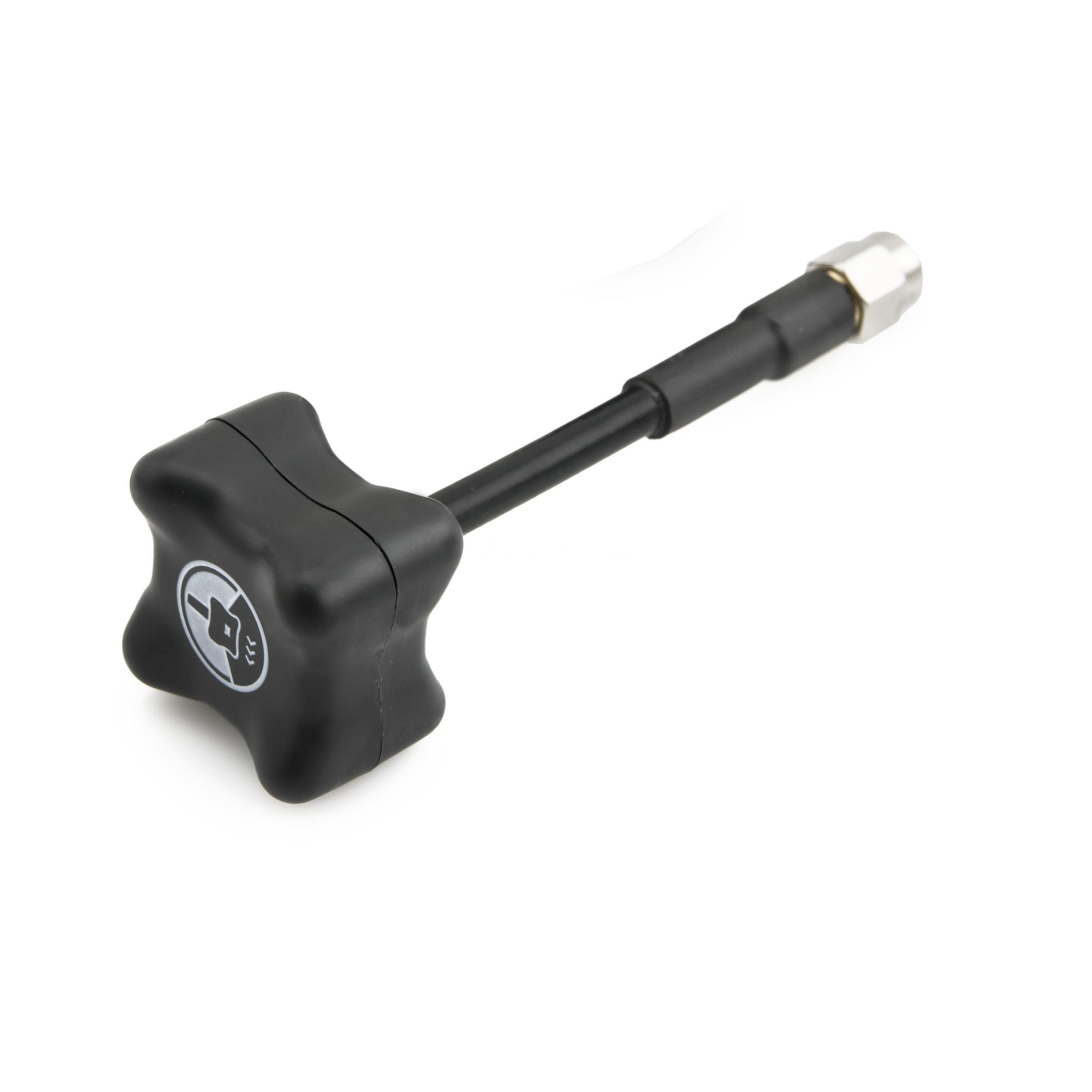
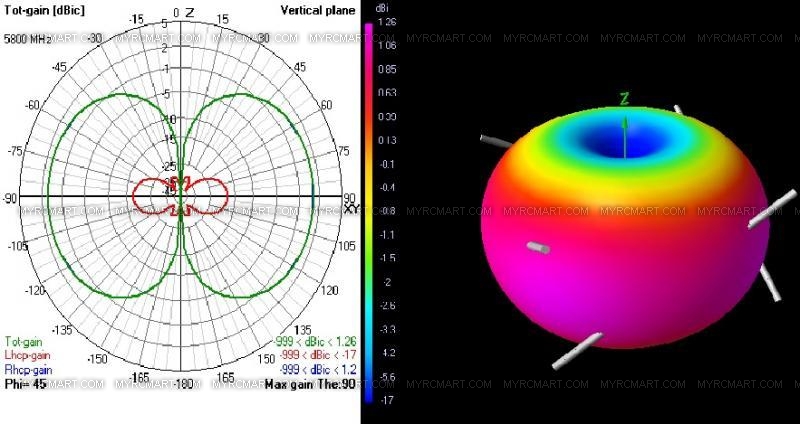
The SPIDER Automation 5.5–6GHz RHCP Triumph-Style FPV Antenna is a compact circularly polarized antenna developed for compatible FPV video transmission and reception systems used in racing drones, quadcopters and other radio-controlled aircraft. Operating across the specified 5.5–6GHz frequency range, it uses Right-Hand Circular Polarization (RHCP) and has a stated gain of 1.26dBiC. Its omnidirectional antenna design is intended for FPV installations where aircraft movement continually changes the relative orientation between the transmitting and receiving antenna systems.
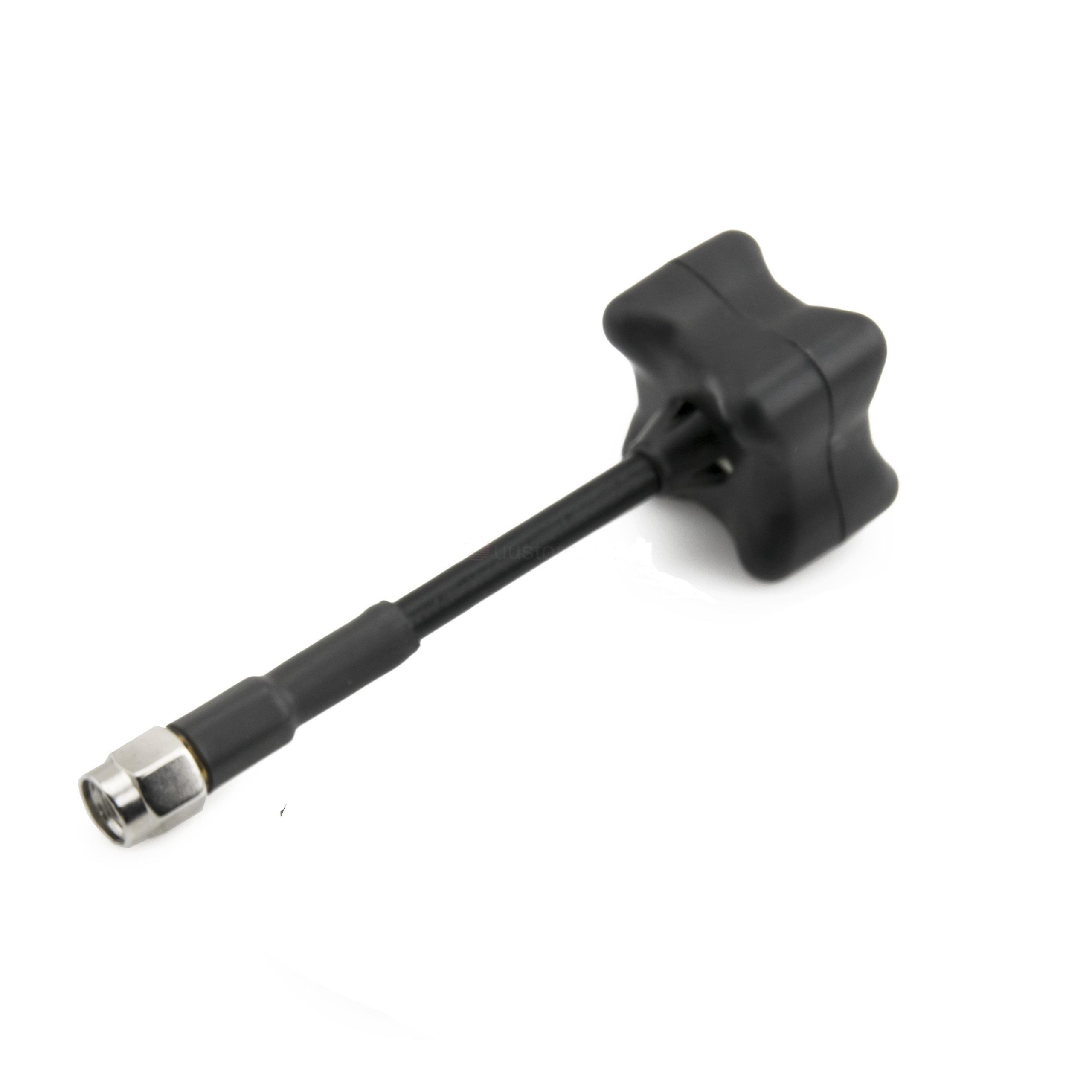
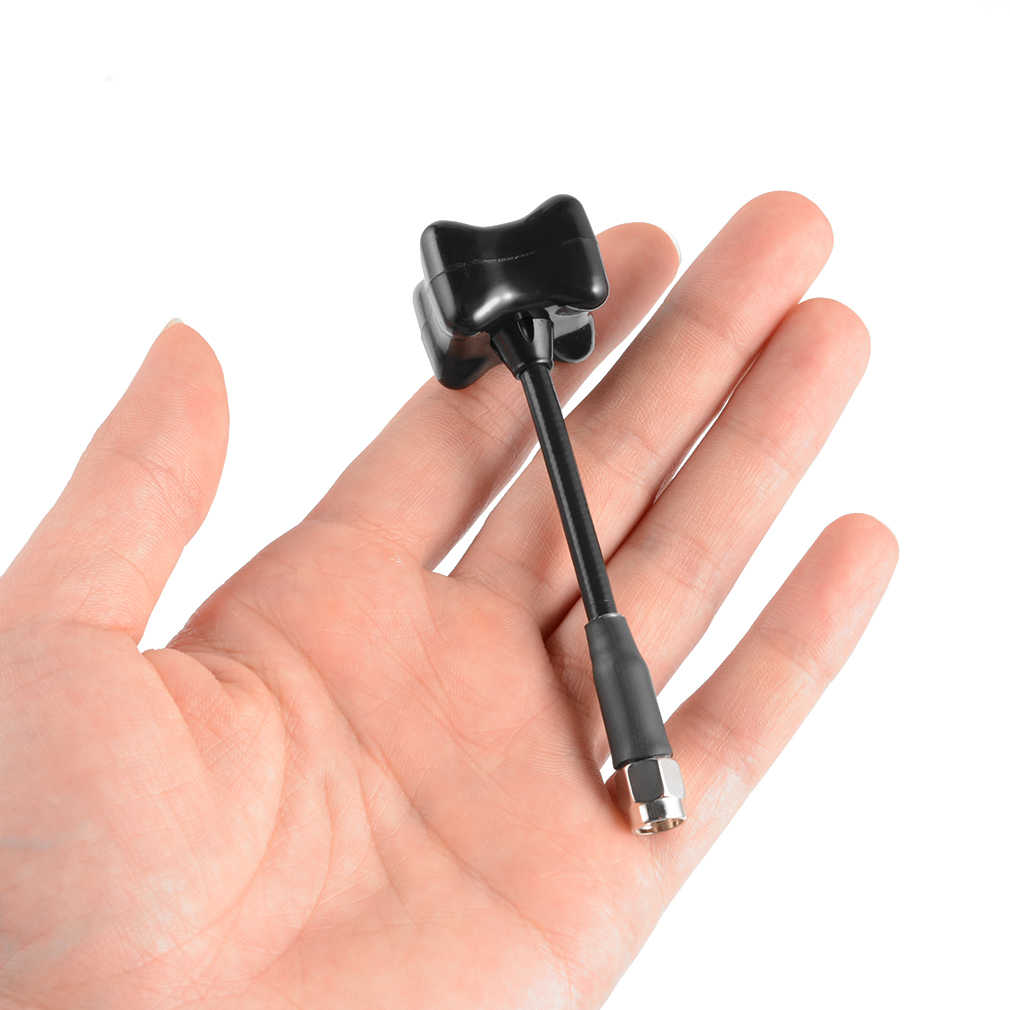
Mechanical construction is an important part of this antenna’s design. It incorporates a double-jacket semi-rigid coaxial cable, an RP-SMA male connector and a foam-filled enclosure secured through ultrasonic welding. The cable construction is intended to provide additional mechanical support, while the enclosed antenna assembly helps protect internal components from incidental physical contact. Its stated 82mm overall length makes it suitable for installations where a compact antenna configuration is required.
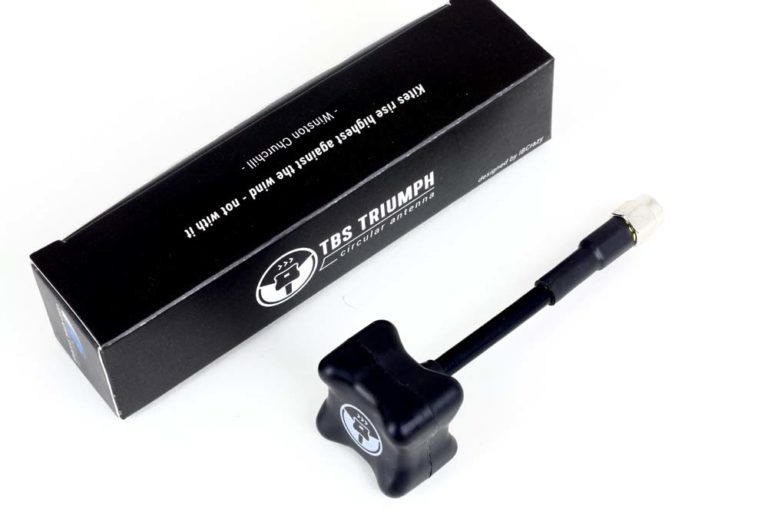
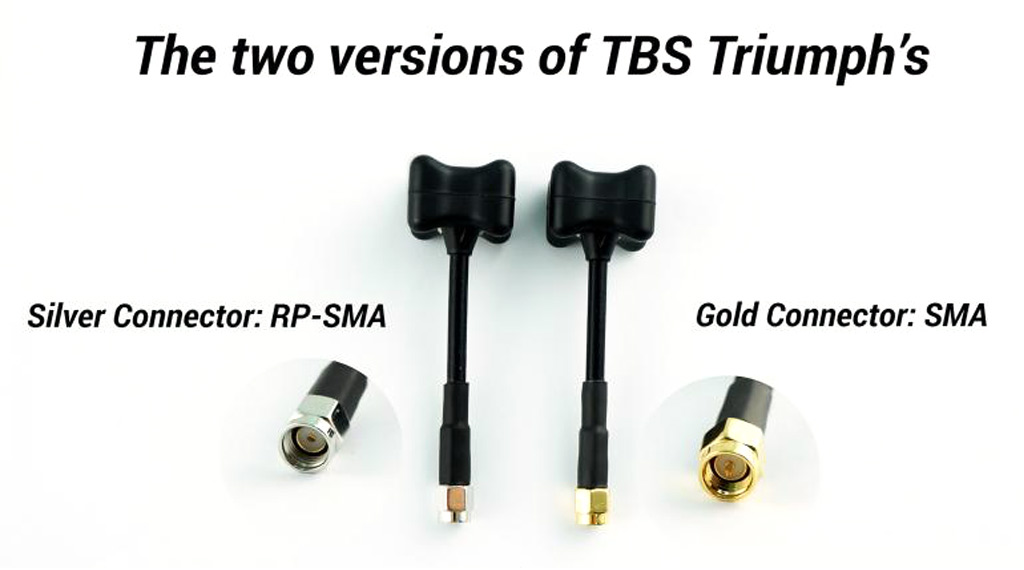
Product identification: This is a Triumph-style compatible antenna and is not an original Team BlackSheep (TBS) product. It is offered as a compatible alternative for FPV systems requiring the specified frequency range, RHCP polarization and RP-SMA male connection.
Technical Features & Performance Characteristics
- 5.5–6GHz Frequency Range: Supports integration with compatible FPV radio-frequency equipment operating within the stated frequency range, which includes the commonly used 5.8GHz FPV band.
- Right-Hand Circular Polarization: RHCP polarization is designed for circularly polarized antenna systems using matching polarization at the opposite end of the radio link.
- 1.26dBiC Stated Gain: Provides the specified circularly polarized antenna gain value for evaluating the antenna as part of an FPV RF link.
- Specified Axial Ratio: The supplied specification lists an axial ratio of 0.74. This value is included as provided without assuming a unit or measurement convention.
- Omnidirectional Radiation Design: Intended to provide coverage around the antenna rather than a narrowly focused directional beam, which is useful in aircraft configurations with changing orientation.
- Double-Jacket Semi-Rigid Cable: The reinforced coaxial cable construction is intended to offer improved mechanical support compared with a conventional thin flexible antenna lead.
- Foam-Filled Internal Structure: The foam-filled enclosure supports the internal antenna assembly and helps reduce exposure to incidental external physical contact.
- Ultrasonically Welded Enclosure: Ultrasonic welding secures the outer cover around the internal antenna assembly.
- Compact Antenna Format: The specified 82mm overall length allows integration into suitable compact FPV aircraft and equipment configurations.
Mechanical Design & Connector Configuration
The antenna incorporates a double-jacket semi-rigid coaxial cable intended to provide a mechanically supported RF connection. This construction is particularly relevant in aircraft installations where vibration, movement and incidental physical contact can place stress on the antenna assembly. Although the cable is designed for increased mechanical robustness, it should still be routed without sharp bends, crushing or excessive tension.
The internal antenna assembly is enclosed within a foam-filled, ultrasonically welded protective cover. The foam-filled construction supports the internal components, while ultrasonic welding secures the enclosure. These design features are intended to improve physical protection, but they do not establish a quantified impact-resistance rating or waterproofing specification.
The antenna terminates in an RP-SMA male connector. RP-SMA and standard SMA connectors use different centre-contact arrangements despite their similar external threading. The mating connector on the FPV transmitter or receiver must therefore be checked before installation to ensure correct mechanical and electrical compatibility.
Applications
The antenna is intended for compatible FPV video installations requiring RHCP polarization, an RP-SMA male interface and a compact antenna assembly with reinforced cable construction.
- FPV Racing Drones: For compatible FPV video systems installed on racing quadcopters operating within the supported frequency range.
- FPV Freestyle Quadcopters: For freestyle aircraft using RHCP antenna configurations for circularly polarized video links.
- RC Multirotor Aircraft: For compatible multirotor platforms equipped with 5.8GHz-class FPV video transmission or reception equipment.
- Analogue FPV Video Systems: For compatible analogue video transmitters and receivers operating within the antenna’s specified frequency range.
- Compact Aircraft Installations: For aircraft configurations where the 82mm antenna length is suitable for the available mounting space.
- Vibration-Exposed Installations: For FPV mounting arrangements where reinforced cable construction and a secured enclosure are useful mechanical considerations.
- Custom FPV Builds: For custom aircraft and FPV equipment configurations requiring an RHCP antenna with an RP-SMA male connector.
- FPV Video Receiver Systems: For compatible receiving equipment configured for RHCP antenna operation.
Package Includes
- 1 × 5.5–6GHz RHCP Triumph-Style FPV Antenna with RP-SMA Male Connector
Product Specifications
| Parameter | Specification |
|---|---|
| Product Type | FPV Antenna |
| Operating Frequency Range | 5.5–6GHz |
| Polarization | RHCP (Right-Hand Circular Polarization) |
| Antenna Gain | 1.26dBiC |
| Axial Ratio | 0.74 (unit and measurement convention not provided) |
| Radiation Pattern | Omnidirectional |
| Connector Type | RP-SMA |
| Connector Gender | Male |
| Cable Construction | Double-Jacket Semi-Rigid Coaxial Cable |
| Connector Plating | Tin-Plated (as described in the product construction details) |
| Enclosure Construction | Foam-Filled, Ultrasonically Welded Cover |
| Overall Length | 82mm |
Connection & Operating Recommendations
Correct connector matching, polarization and cable installation are important for integrating this antenna into an FPV radio-frequency system. Before use, verify that the connected equipment supports the specified operating frequency range and has a compatible RP-SMA interface.
- Verify RP-SMA Connector Compatibility: Confirm that the transmitter or receiver has the corresponding RP-SMA female interface. Do not force standard SMA and RP-SMA connectors together.
- Match RHCP Polarization: Use a suitably matched RHCP antenna at the opposite end of the FPV link when configuring the system for circular polarization.
- Check Frequency Compatibility: Ensure that the connected RF equipment is designed to operate within the antenna’s specified 5.5–6GHz range.
- Route the Coaxial Cable Carefully: Avoid sharp bends, kinks, crushing and excessive tension that could damage the semi-rigid cable or its internal RF structure.
- Secure the Antenna Assembly: Mount the antenna so that aircraft vibration and movement do not place unnecessary strain on the connector or cable.
- Inspect the Enclosure: Check the protective cover for cracks, separation or other visible damage before installation and operation.
- Check the RF Connection: Ensure that the connector is properly seated and the cable assembly is undamaged before powering the connected FPV equipment.