
SPIDER Automation | Magnetic Carbon Fibre Propeller Balancer | N45 Magnetic Suspension for Static Propeller Balancing
Product Overview & Construction
The SPIDER Automation Magnetic Propeller Balancer is a static balancing tool designed to check mass distribution in compatible rotating propellers. It is intended for use with multirotor drone propellers and fixed-wing RC aircraft propellers, helping identify imbalance that may contribute to vibration during operation.
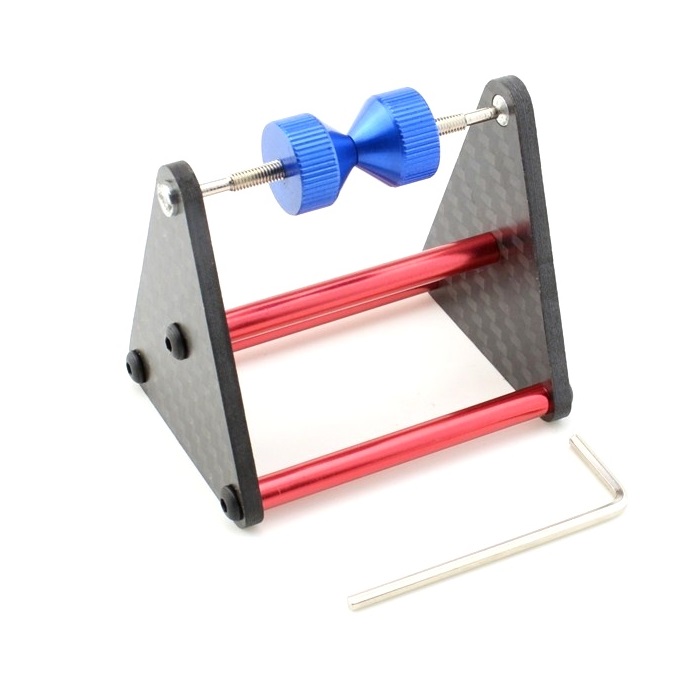
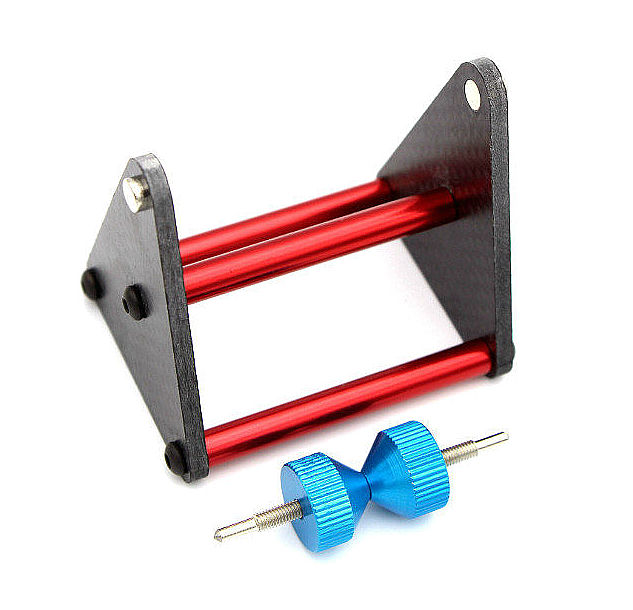
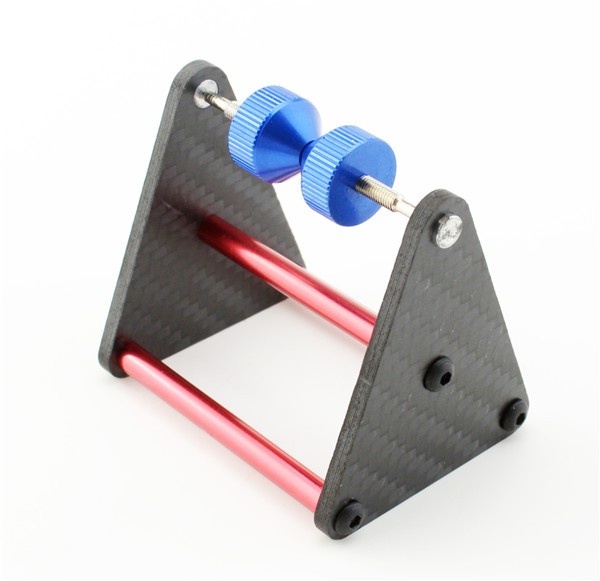
The balancer uses a magnetic suspension arrangement with N45 high-performance magnets to support the balancing shaft with minimal mechanical resistance. Its carbon-fibre board base and metal components form the supporting structure, while the tapered propeller holder is designed to centre the propeller on the shaft. This arrangement allows a freely mounted propeller to settle according to its mass distribution, making static imbalance easier to identify.
Technical Features & Balancing Characteristics
- Magnetic Suspension: Supports the balancing shaft through magnetic suspension rather than relying on a conventional high-contact bearing arrangement.
- Low-Resistance Shaft Support: Minimises mechanical resistance so that small imbalances can influence the propeller’s settling position.
- N45 Magnet System: Uses N45-grade high-performance magnets as part of the magnetic support mechanism.
- Tapered Propeller Holder: Helps centre compatible propellers on the balancing shaft for consistent positioning during static checks.
- Carbon Fibre Board Base: Provides the main base construction for the balancing assembly.
- Metal Components: Metal elements form part of the shaft and supporting mechanism.
- Static Balance Assessment: Allows the mounted propeller to settle so that uneven mass distribution can be identified and corrected.
- Lightweight Propeller Compatibility: Intended for compatible propellers weighing up to 80g.
Operating Principle & Propeller Alignment
For static balancing, the propeller is mounted on the balancing shaft using a suitable centre adapter. The magnetic suspension arrangement allows the shaft and mounted propeller to move with minimal resistance. If one side of the propeller has greater mass, the assembly tends to rotate until the heavier side reaches a lower position.
The tapered holder is designed to help align the propeller with the shaft centre. Correct centring is important because an incorrectly mounted propeller can produce misleading balance results. Once the heavier side has been identified, suitable corrective balancing material or an appropriate propeller-balancing method can be applied, followed by another static balance check.
Applications
This magnetic balancer is intended for static balance checking of compatible propellers and selected rotating components within its stated weight and mounting limitations.
- Quadcopter Propellers: Static balancing of compatible propellers used on quadcopters.
- Multirotor Propellers: Helps identify mass imbalance in propellers used on other multirotor configurations.
- FPV Racing Drone Propellers: Supports propeller balancing during maintenance and preparation of FPV drone propulsion systems.
- Fixed-Wing RC Aircraft: Suitable for static balance checking of compatible fixed-wing aircraft propellers.
- RC Model Aircraft Maintenance: Provides a bench-top tool for propeller inspection and balancing work.
- Small Marine Propellers: Can be considered for compatible lightweight marine propellers when the centre mounting arrangement is suitable.
- Lightweight Rotating Components: May be used for other compatible components that can be securely and accurately mounted within the tool’s capacity.
Application limitation: The source information specifically excludes helicopter rotor applications. Although it mentions turbine blades, flywheels and car wheel hubs, their mounting requirements, geometry and weight suitability are not established. These applications should not be assumed without checking the actual mounting arrangement and load capacity.
Package Includes
- 1 × Magnetic Propeller Balancer with Carbon Fibre Base
Product Specifications
| Parameter | Specification |
|---|---|
| Product Type | Magnetic Static Propeller Balancer |
| Magnetic System | Magnetic suspension |
| Magnet Grade | N45 |
| Base Material | Carbon fibre board |
| Other Construction Material | Metal components |
| Propeller Holder | Tapered, self-centring design |
| Maximum Stated Propeller Weight | 80g |
| Balancing Method | Static balancing using magnetic suspension |
| Colour | Black |
Installation & Operating Recommendations
For reliable static balancing, place the balancer on a stable, level surface and ensure that the propeller is correctly centred on the tapered holder. The propeller should rotate freely without contacting the base or surrounding objects. Use a compatible mounting arrangement and verify that the propeller remains securely positioned throughout the balancing check.
- Use a Level Surface: Place the balancer on a stable, level workbench to minimise errors caused by an uneven setup.
- Check Propeller Compatibility: Use propellers within the stated maximum weight of 80g and verify that their centre mounting arrangement is suitable.
- Ensure Correct Centring: Position the propeller accurately on the tapered holder so that the shaft passes through the propeller’s centre.
- Check Free Movement: Confirm that the shaft and propeller move freely without touching the base or other surfaces.
- Identify the Heavy Side: Allow the propeller to settle naturally and identify the side that repeatedly moves to the lower position.
- Apply Corrective Balancing: Use an appropriate propeller-balancing method and recheck the propeller after each adjustment.
- Inspect Before Use: Check the propeller for cracks, deformation or other damage before balancing and installation.
- Verify Dynamic Operating Condition: Static balancing does not replace inspection of the complete rotating assembly or dynamic vibration assessment where required.