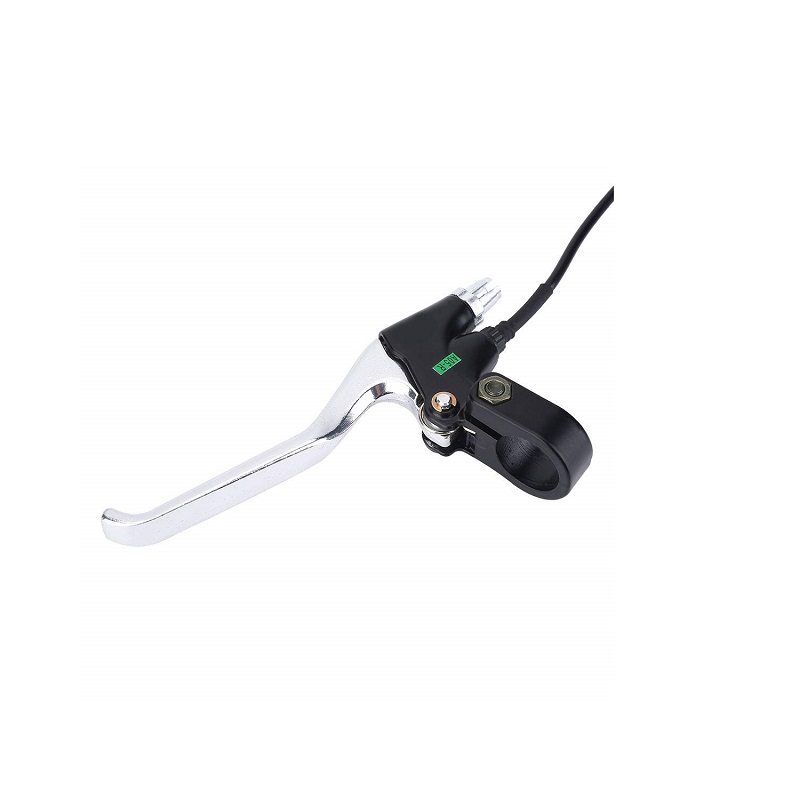

SPIDER Automation | Electric Bicycle Brake Lever with Motor Cut-Off Switch | 22.5mm Handlebar Fitment & 1.5m Electrical Brake Cable
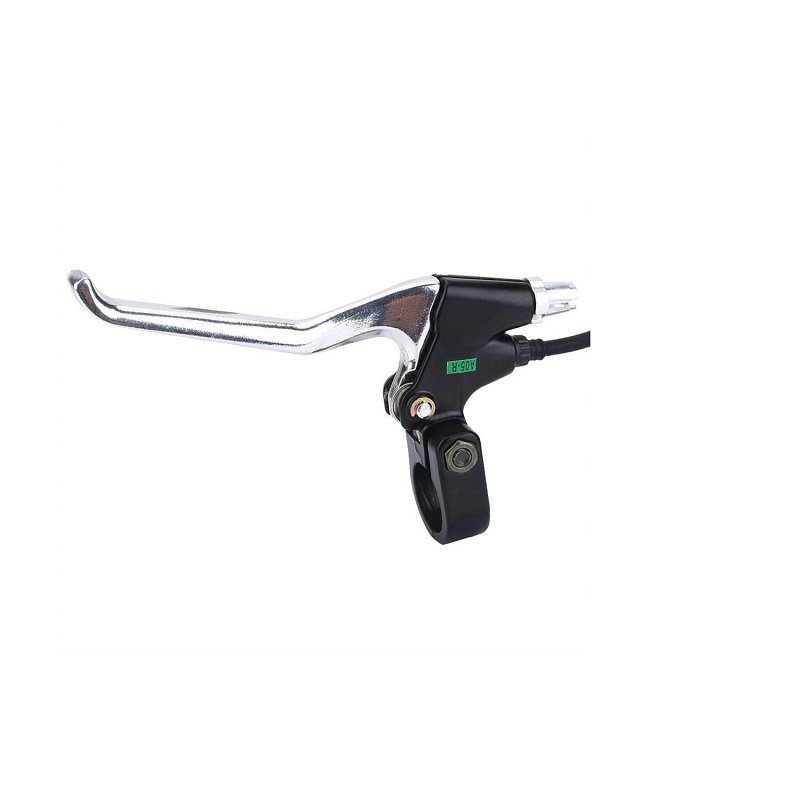
The Electric Bicycle Brake Lever with Motor Cut-Off Switch is a handlebar-mounted braking control component designed for electric bicycles using an electrical brake cut-off input. It combines a conventional brake lever assembly with an integrated electrical switch that signals the connected motor controller when the rider applies the brake.
When the lever is operated, the switch provides a low-level brake signal to the compatible controller. The controller can then interrupt motor drive during braking. This electrical cut-off function supports coordinated operation between the bicycle’s braking controls and electric drive system. The lever features an aluminium-and-plastic construction, a 22.5mm handlebar mounting specification and an approximately 1.5m cable for connecting the brake signal.
Product Overview & Functional Design
This electric bicycle brake lever is designed for installations where the motor controller provides a dedicated electrical brake input. Unlike a conventional brake lever without an electrical switch, this assembly adds a switching function that communicates the brake operation to the controller.
During braking, the lever operates its integrated switch and sends a low-level signal through the attached cable. When connected to a compatible controller input, this signal can be used to disable motor drive while the brake is applied. The mechanical braking system remains responsible for physically slowing and stopping the bicycle.
Technical Features & Functional Characteristics
- Integrated Electrical Brake Switch: Incorporates a switch within the lever assembly to provide a brake-operation signal to the connected electric bicycle controller.
- Motor Power Cut-Off Function: Allows a compatible controller to interrupt motor drive when the brake lever is operated, helping coordinate braking with electric motor operation.
- Low-Level Switching Output: Provides a low-level electrical signal intended for a compatible controller brake input rather than directly switching motor power.
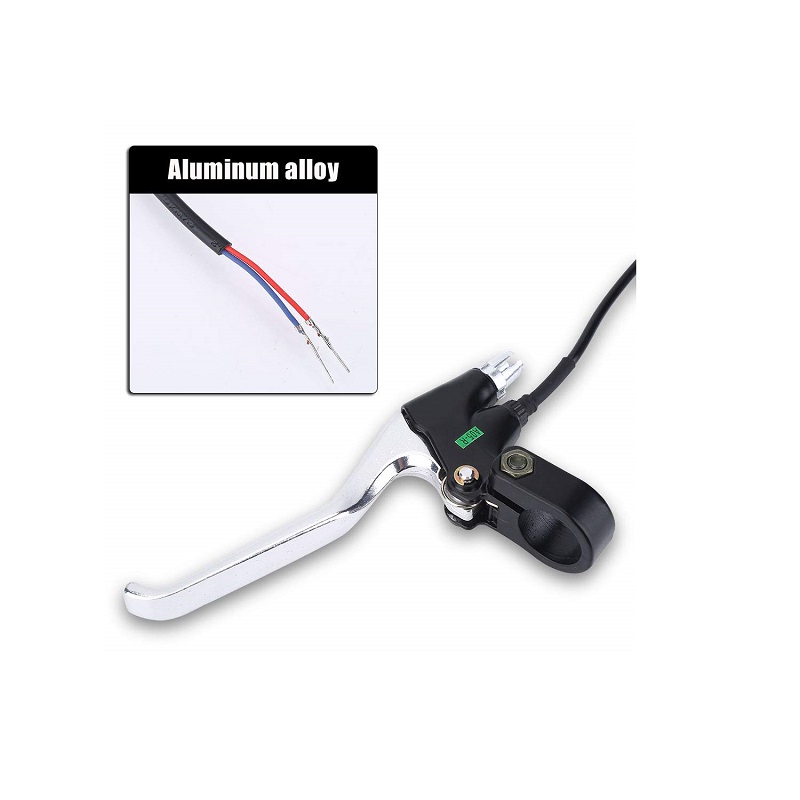
- Non-Polarised Cable Connection: The brake switch cable has no positive or negative polarity distinction, simplifying connection to a compatible two-wire brake switch input.
- Extended Cable Routing: The attached cable provides flexibility when routing the brake signal connection between the handlebar and controller area.
- Aluminium and Plastic Construction: Combines aluminium and plastic components in the lever assembly.
- V-Brake Lever Style: Identified as a V-brake-style lever for compatible bicycle brake arrangements.
- Replacement Application: Can replace an existing electric brake lever where the handlebar fitment, mechanical brake arrangement and controller switch interface are compatible.
Electrical Brake Switch & Motor Cut-Off Operation
The integrated electrical switch is intended to work with a motor controller equipped with a compatible brake cut-off input. When the rider pulls the brake lever, the switch changes its electrical state and sends a low-level signal through the attached cable.
The controller interprets this signal and interrupts motor drive according to its brake-input logic. This helps prevent motor assistance from continuing while the brake is being applied. The brake lever’s electrical switch is a control signal device; it does not directly carry or interrupt the high current supplied to the motor.
- Brake Lever Operation: Pulling the lever activates the integrated electrical switch.
- Signal Transmission: The attached cable carries the low-level switching signal to the controller.
- Controller Response: A compatible controller detects the brake signal and interrupts motor drive.
- Mechanical Braking: The bicycle’s mechanical braking system performs the actual braking action.
Mounting & Mechanical Installation
The brake lever is designed for installation on a compatible 22.5mm bicycle handlebar. It should be positioned so the rider can operate the lever comfortably while maintaining normal access to the handlebar controls.
- Handlebar Fitment: Install the lever on a handlebar matching the specified 22.5mm diameter.
- Lever Positioning: Orient the lever for comfortable reach and unobstructed operation during normal riding.
- Brake Mechanism Compatibility: Match the lever’s V-brake style to the bicycle’s mechanical brake arrangement before installation.
- Cable Routing: Route the electrical brake cable neatly along the handlebar and bicycle frame, keeping it clear of moving components and sharp edges.
- Controller Connection: Connect the switch cable to a compatible low-level brake input on the motor controller.
Applications
This brake lever is intended for electric bicycle installations that require a handlebar braking control with an integrated electrical motor cut-off signal.
- Electric Bicycle Brake Controls: Provides a handlebar-mounted brake lever with an electrical signal for compatible motor controllers.
- Electric Mountain Bikes: Supports braking control and motor cut-off integration in compatible mountain bicycle conversions.
- Electric Road Bicycles: Can be used in compatible road bicycle configurations requiring an electrical brake switch.
- E-Bike Conversion Projects: Provides a brake cut-off control component for conversion systems with a matching controller input.
- Motor Controller Integration: Supplies a low-level brake signal to controllers designed with an electrical brake input.
- Brake Lever Replacement: Suitable for replacing an existing lever where handlebar diameter, mechanical brake style and electrical connection requirements match.
- Electric Bicycle Maintenance: Can be used when servicing or replacing a damaged brake lever and switch assembly in a compatible system.
- Custom E-Bike Builds: Supports integration of handlebar brake controls into compatible electric bicycle drive systems.
Package Includes
- 1 × Electric Bicycle Brake Lever with Integrated Electrical Switch and Cable
Product Specifications
| Parameter | Specification |
|---|---|
| Product Type | Electric Bicycle Brake Lever |
| Lever Style | V-Brake style |
| Handlebar Diameter | 22.5 mm |
| Construction Material | Aluminium and plastic |
| Integrated Electrical Switch | Yes – motor brake cut-off switch |
| Brake Signal Type | Low-level electrical switching signal |
| Switch Cable Length | Approximately 1.5 m / 59.05 inches |
| Cable Polarity | Non-polarised; no positive or negative polarity distinction |
| Switch Function | Provides a brake signal for motor cut-off through a compatible controller |
| Colour Information | Supplier descriptions differ; refer to the actual product variant |
| Package Quantity | 1 piece |
Connection & Operating Recommendations
The integrated switch is designed to connect to a compatible low-level brake input on an electric bicycle controller. Correct mechanical fitment and controller signal compatibility are important for proper operation of the motor cut-off function.
- Use a Compatible Controller Input: Connect the switch cable to the controller’s designated electrical brake input. Do not connect it directly to the motor power terminals.
- Observe the Switch Signal Type: Use the lever with a controller designed to accept the corresponding low-level brake switching signal.
- Connect the Two Switch Wires: The cable has no positive or negative polarity distinction, but it must still be connected to the correct brake switch input terminals.
- Check Handlebar Fitment: Confirm that the handlebar mounting diameter and lever style are suitable for the bicycle.
- Route the Cable Securely: Keep the cable away from the wheel, steering joints, suspension movement and other moving components.
- Test the Motor Cut-Off: With the bicycle safely supported and the drive system configured appropriately, confirm that operating the brake lever activates the controller’s motor cut-off response.
- Maintain Mechanical Brake Adjustment: Ensure the connected mechanical brake system is correctly adjusted. The electrical switch provides a controller signal and does not replace the physical braking mechanism.