
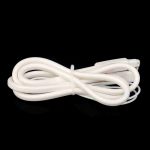


SPIDER Automation | 220–230V AC Silicone Rubber Heating Cable | 40W/m Constant-Power Drain Pipe Heater Wire
The SPIDER Automation Silicone Rubber Insulated Heating Cable is a flexible electric heating element designed for pipeline freeze protection and temperature maintenance. Operating from a recommended 220–230V AC supply, the cable provides a rated heating output of 40W per metre. The supplied 1-metre version therefore has a nominal total rated power of 40W. It is intended for applications where supplementary heat is required along drain pipes, pipelines, meters and compatible equipment.
The heating element consists of an alloy resistance conductor surrounded by high-temperature silicone rubber insulation. This construction combines electrical insulation with flexibility, allowing the cable to be routed along suitable installation surfaces. Its waterproof construction is intended for relevant heating applications, while correct protection of electrical connections and compliance with the installation environment remain essential. The cable is suitable for appropriately designed pipeline heating and heat-preservation systems.
Product Overview & Heating Construction
This heating cable uses an alloy electric resistance conductor to generate heat when connected to its rated electrical supply. The conductor is covered with silicone rubber high-temperature insulation, forming a flexible heating assembly for suitable pipeline and equipment installations.
The silicone rubber exterior provides the insulating layer around the heating conductor and supports flexible cable routing. The 40W/m rating defines the nominal power output per metre, making the cable length and rated power important selection parameters when designing a pipeline heating arrangement.
Heating Performance & Electrical Characteristics
The cable is designed for a 220–230V AC supply and has a rated power of 40W per metre. For the supplied 1000mm length, the nominal total rated power is 40W. This provides a defined heating-power specification for selecting the cable within a compatible electrical installation.
- Rated Supply: 220–230V AC.
- Power per Metre: 40W/m.
- Supplied Length: 1 metre.
- Nominal Total Power: 40W for the supplied 1-metre length.
- Heating Method: Electrical resistance heating through an alloy conductor.
- Insulation: Silicone rubber.
Actual heating performance and resulting surface temperature depend on the installation arrangement, thermal contact, surrounding insulation, ambient conditions and heat loss. A suitable temperature-control arrangement should be selected according to the application rather than relying on the cable’s rated power alone.
Silicone Rubber Insulation & Flexible Design
The cable uses silicone rubber high-temperature insulation around its alloy heating conductor. The flexible insulating construction supports routing along compatible pipe sections and equipment surfaces where a rigid heating element may be unsuitable.
- Flexible Insulating Exterior: Supports suitable cable routing around compatible installations.
- High-Temperature Silicone Rubber: Used as the insulating material surrounding the heating conductor.
- Waterproof Construction: Intended for waterproof heating applications, subject to appropriate installation and protection of connection points.
- White Finish: White exterior for a clean installation appearance.
Pipeline Freeze Protection & Heat Preservation
The heating cable is intended to provide supplementary heat to pipelines and associated equipment where low ambient temperatures or heat loss may affect operation. When correctly selected and installed, pipeline heating can help reduce the risk of freezing and support temperature maintenance in suitable systems.
The cable can be considered for the following installation categories:
- Drain Pipe Heating: Supplementary heating for compatible drain-pipe sections exposed to low temperatures.
- Pipeline Freeze Protection: Helping reduce freezing risk in suitably designed pipeline heating installations.
- Water Pipeline Heat Preservation: Maintaining heat in compatible water-carrying pipeline sections.
- Industrial Pipework: Supplementary heating for suitable industrial pipeline installations.
- Meter Protection: Heating arrangements for compatible meters and associated pipeline components.
- Equipment Temperature Maintenance: Providing supplementary heat to compatible equipment requiring temperature preservation.
- Cold-Environment Installations: Pipeline heating applications where ambient temperature and heat loss require additional thermal support.
Installation & System Design Considerations
The 1-metre cable is intended for installations designed around its 220–230V AC supply and 40W/m rated power. Cable length, routing arrangement and power requirements should be evaluated against the pipe dimensions, operating environment and required heating performance before installation.
The heating cable should be installed in accordance with the applicable electrical and heating-system requirements. Electrical connections and terminations must be protected from moisture and environmental exposure, and the installation should include suitable electrical protection and temperature control where required by the system design.
Package Includes
- Silicone Rubber Insulated Heating Cable: 1 piece, 1 metre length, 40W/m rated power, 220–230V AC.
Product Specifications
| Parameter | Specification |
|---|---|
| Product Type | Electric Heating Cable |
| Product Category | Heating Accessory / Pipeline Heater Wire |
| Heating Technology | Electrical resistance heating |
| Heating Conductor Material | Alloy electric heating wire |
| Insulation Material | Silicone rubber |
| Insulation Type | High-temperature silicone rubber insulation |
| Colour | White |
| Recommended Supply Voltage | 220–230V AC |
| Rated Power | 40W/m |
| Supplied Cable Length | 1000mm (1 metre) |
| Nominal Total Power | 40W for 1 metre at the rated power density |
| Construction | Alloy resistance heating conductor with silicone rubber insulation |
| Waterproof Construction | Described as waterproof; no IP protection rating provided |
| Primary Application | Drain pipe heating, pipeline freeze protection and heat preservation |
| Additional Applications | Compatible pipeline and meter heating installations |
| Product Weight | 53g |
| Package Quantity | 1 heating cable |
Installation & Operating Recommendations
- Verify Electrical Compatibility: Connect only to a properly designed 220–230V AC supply. This is a mains-voltage heating element, not a low-voltage DC heater.
- Use Qualified Installation: Have mains wiring, terminations and protective devices installed or checked by a qualified electrician.
- Check Heating Requirements: Confirm that 40W/m is appropriate for the pipe dimensions, ambient temperature, insulation and required freeze-protection performance.
- Plan Cable Routing: Route the heating cable according to the intended installation design. Do not overlap, cross or tightly bunch the cable unless the manufacturer’s installation instructions expressly permit it.
- Protect Electrical Connections: Keep terminations, supply connections and any exposed electrical joints appropriately sealed and protected against moisture.
- Use Suitable Electrical Protection: Provide correctly rated overcurrent protection and residual-current protection as required by the applicable electrical installation standards.
- Provide Temperature Control: Use an appropriately rated thermostat or temperature-control system where required to manage heating and prevent excessive temperatures.
- Check Thermal Contact: Ensure the cable is installed using a suitable method for the pipe material and heating arrangement, avoiding installation conditions that could cause localised overheating.
- Inspect Before Energising: Check the cable insulation, routing, terminations and electrical connections before applying mains power.
- Do Not Modify the Heating Element: Do not cut, splice, shorten or alter the cable unless an approved manufacturer procedure specifically permits it.
- Follow Application-Specific Limits: Confirm the permitted operating temperature and installation conditions before using the cable on any pipe, meter or equipment.