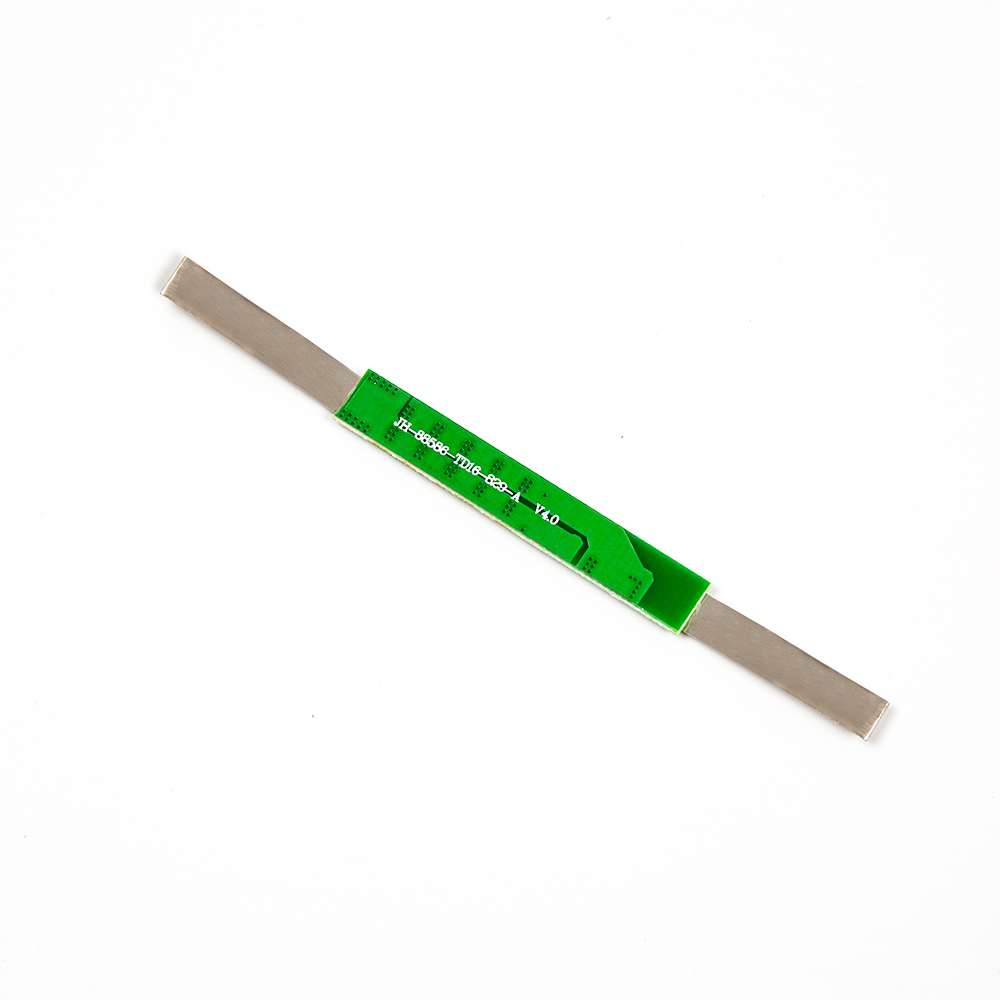
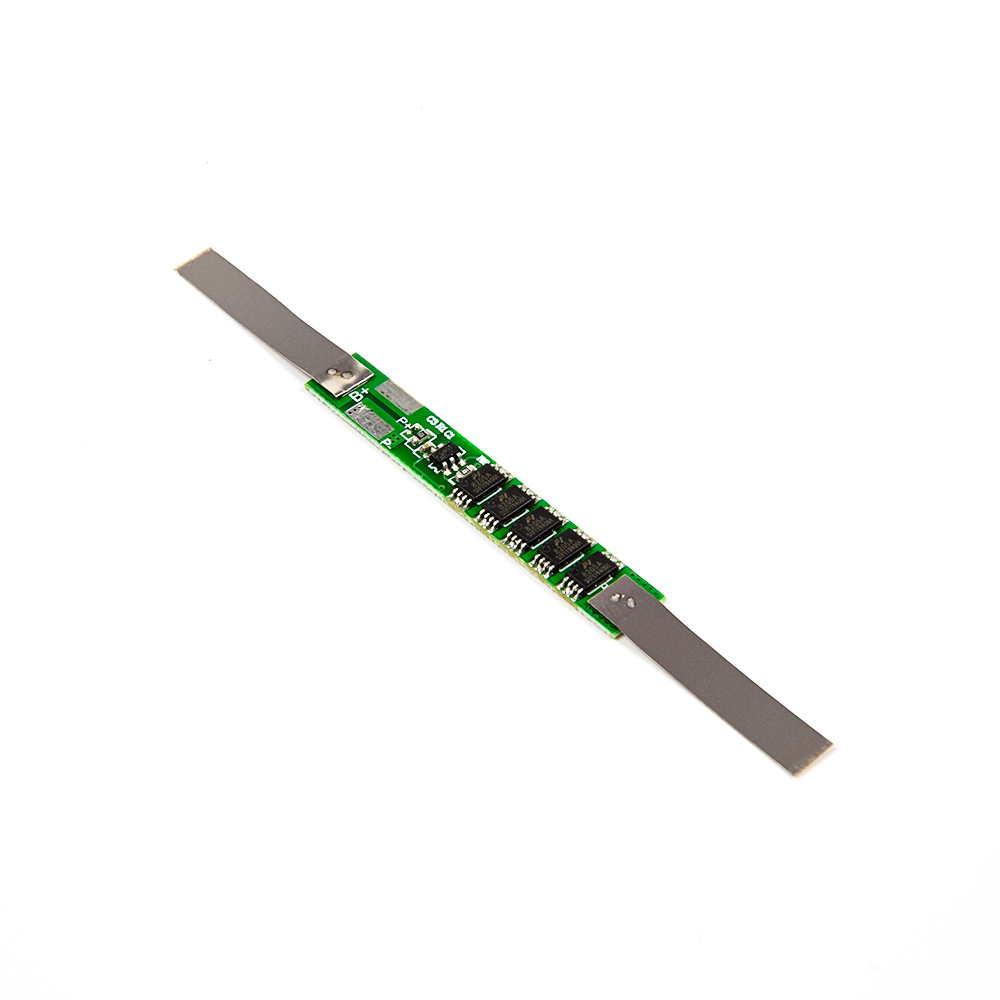
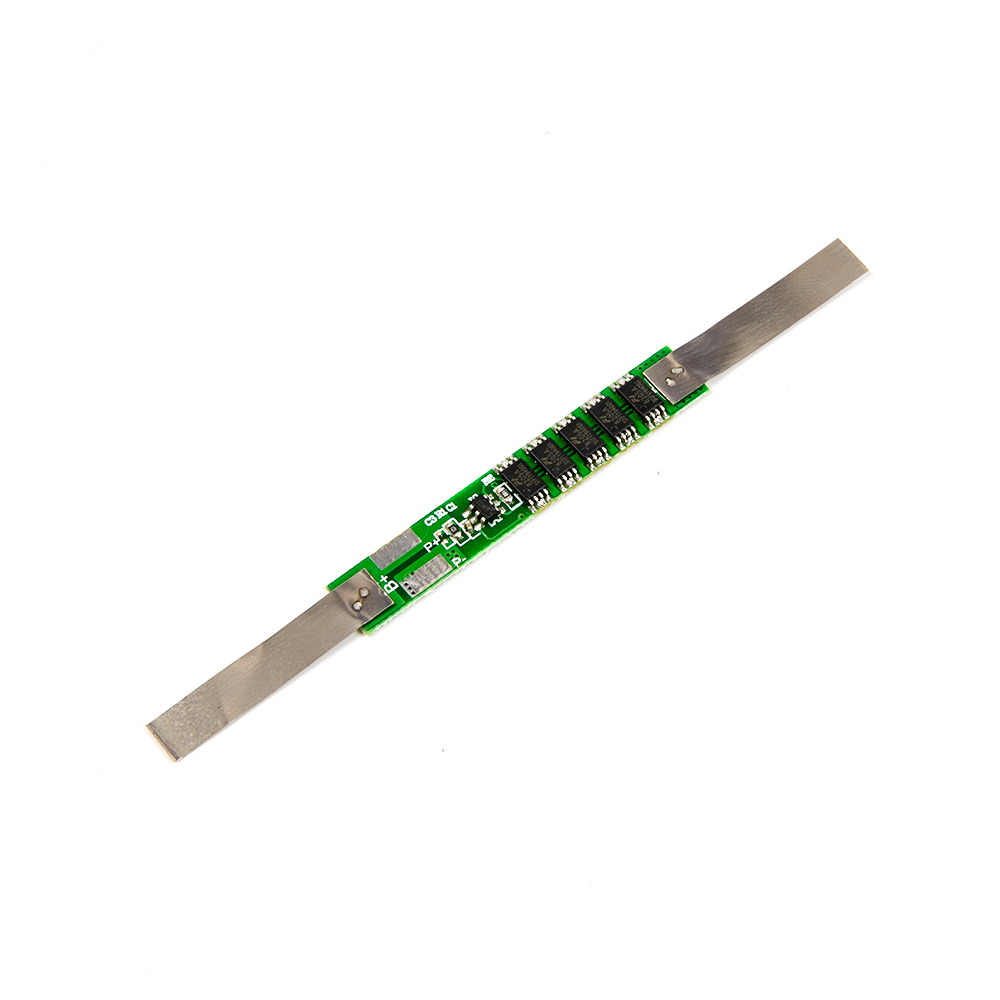

SPIDER Automation | 1S 4MOS 18650 Lithium-Ion Battery Protection Board | 3.7V 10A Battery Protection Circuit
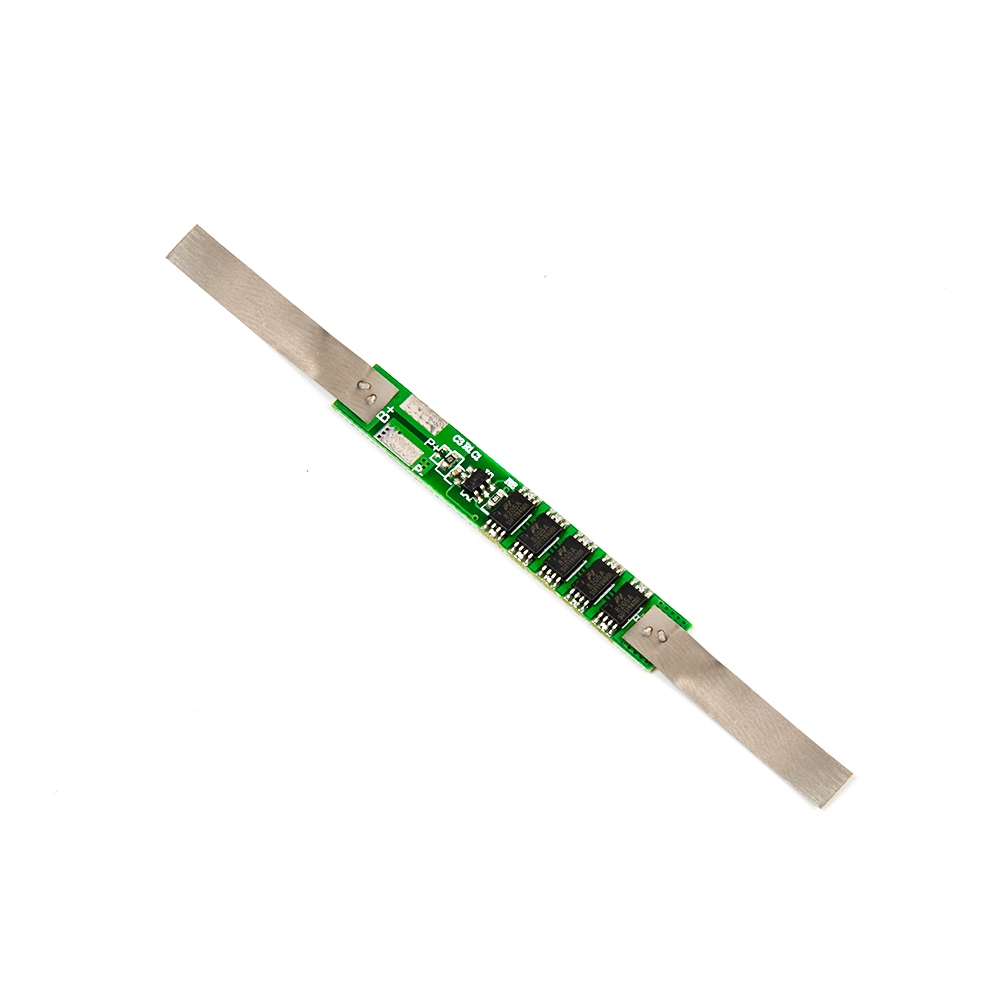
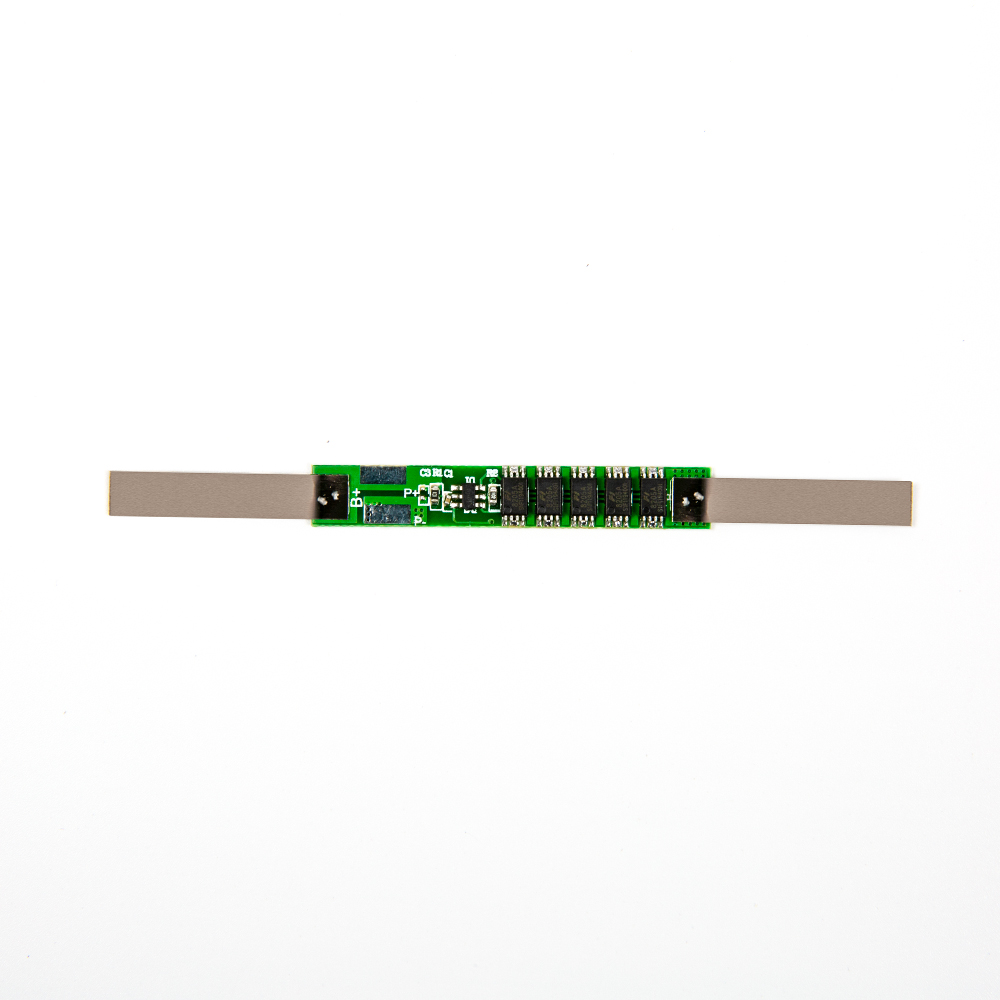
The SPIDER Automation 1S 4MOS 18650 Lithium-Ion Battery Protection Board is a compact battery protection module designed for single-series-group lithium-ion battery packs. It uses a four-MOSFET switching architecture and a voltage-sensing circuit to monitor battery operating conditions and control the charging and discharging paths.
The board is designed to provide protection against overcharging, over-discharging, overcurrent and short-circuit conditions. Its protection architecture includes a three-stage overcurrent detection arrangement covering two overcurrent detection stages and load short-circuit detection.
Suitable for compatible 18650 battery assemblies, this 1S protection board can be used with a single cell or multiple cells connected in parallel as one battery group. The board provides dedicated B+, B−, P+ and P− connection terminals for battery and protected external circuit integration.
Technical Features & Circuit Architecture
- Single-Series-Group Design: Designed for 1S lithium-ion battery packs with a typical nominal voltage of 3.7V.
- Four-MOSFET Configuration: Uses four MOSFETs to control the battery charging and discharging paths.
- High-Precision Voltage Sensing: Incorporates a voltage-sensing circuit for monitoring battery voltage conditions.
- Three-Stage Overcurrent Detection: Includes overcurrent stage 1, overcurrent stage 2 and load short-circuit detection.
- Overcharge Protection: Detects battery voltage at 4.25V ± 0.05V.
- Overcharge Release: Specifies a release voltage of 4.23V ± 0.05V.
- Over-Discharge Protection: Detects low battery voltage at 2.54V ± 0.1V.
- Charge and Discharge Switching: MOSFET switching controls the protected battery circuit during charging and discharging.
- Parallel Cell Pack Compatibility: Can be used with compatible parallel-connected 18650 cells forming one series group.
- Dedicated Connection Points: Separate battery and protected output terminals simplify electrical integration.
Battery Configuration & Voltage Details
This protection board is designed for a 1S lithium-ion battery configuration. In a 1S arrangement, one cell or multiple parallel-connected cells form a single series group. Connecting additional cells in parallel increases battery capacity while maintaining the same nominal pack voltage.
| Battery Parameter | Specification |
|---|---|
| Battery Configuration | 1S (Single Series Group) |
| Battery Chemistry | Lithium-ion |
| Typical Cell Format | 18650 |
| Nominal Pack Voltage | 3.7V |
| Typical Full-Charge Voltage | 4.2V |
| Cell Arrangement | Single cell or parallel-connected cells in one series group |
Parallel battery capacity example: If five or six identical 2500mAh cells are connected in parallel, the resulting pack capacity is theoretically 12,500mAh (12.5Ah) or 15,000mAh (15Ah), respectively. The nominal voltage remains 3.7V. Actual usable capacity depends on cell condition, matching and operating conditions.
Charging note: This board is a battery protection circuit, not a standalone voltage-regulated charger. Use a suitable 1S lithium-ion charging circuit with a regulated 4.2V full-charge output.
Protection Functions & Voltage Thresholds
The protection circuit monitors battery voltage and current-related operating conditions to help protect the connected battery pack. The specified voltage thresholds are listed below.
| Protection Parameter | Specification |
|---|---|
| Overcharge Detection Voltage | 4.25V ± 0.05V |
| Overcharge Release Voltage | 4.23V ± 0.05V |
| Over-Discharge Detection Voltage | 2.54V ± 0.1V |
| Overcurrent Detection Architecture | Three-stage detection: overcurrent 1, overcurrent 2 and load short circuit |
| Short-Circuit Protection | Provided |
Battery & External Circuit Connection Details
The board uses four connection terminals for battery-side and protected-output connections. Correct terminal polarity is important for proper operation and to prevent damage to the protection circuit.
| Terminal | Connection Description |
|---|---|
| B+ | Connect to the positive terminal of the lithium-ion battery pack. |
| B− | Connect to the negative terminal of the lithium-ion battery pack. |
| P+ | Positive terminal for the protected external circuit connection. |
| P− | Negative terminal for the protected external circuit connection. |
Connect the battery to B+ and B−, and use P+ and P− for the protected external circuit. The charging circuit and load should use the designated protected connection points. Always follow the polarity markings on the actual PCB.
Applications
This 1S 4MOS lithium-ion battery protection board can be integrated into compatible rechargeable battery assemblies and electronic equipment using a single-series-group 18650 battery configuration.
- 18650 Battery Packs: Protection circuit integration for single-series-group 18650 battery assemblies.
- Parallel Battery Modules: Suitable for compatible parallel-connected cells operating as one 1S battery group.
- Portable Electronic Devices: Battery protection for compact rechargeable electronic equipment.
- Rechargeable LED Lighting: Integration into compatible 3.7V battery-powered LED lighting projects.
- Wireless Sensor Systems: Protection for portable sensor modules and wireless monitoring devices.
- IoT Development Projects: Use in compatible single-cell-group rechargeable IoT prototypes.
- Microcontroller Projects: Battery protection for portable electronics and development-board projects.
- DIY Power Modules: Integration into custom 1S lithium-ion battery power assemblies.
- Portable Instrumentation: Suitable for compatible handheld electronic instruments powered by 1S lithium-ion packs.
- Battery-Powered Prototypes: Protection circuit integration for custom electronic development and testing projects.
Package Contents
- 1 × 1S 18650 3.7V Lithium-Ion Battery Protection Board – 4 MOSFET Configuration
Product Specifications
| Parameter | Specification |
|---|---|
| Product Type | 1S Lithium-Ion Battery Protection Board (BMS) |
| Model | Li-ion 18650 |
| MOSFET Configuration | 4 MOSFETs |
| Battery Configuration | 1S (Single Series Group) |
| Compatible Battery Type | 18650 Lithium-Ion |
| Nominal Battery Voltage | 3.7V |
| Typical Full-Charge Voltage | 4.2V |
| Specified Constant Current | 10A |
| Maximum Continuous Charging/Discharging Current | 7.5A (matching 4MOS board specification) |
| Maximum Discharge Current | 10A |
| Overcharge Detection Voltage | 4.25V ± 0.05V |
| Overcharge Release Voltage | 4.23V ± 0.05V |
| Over-Discharge Detection Voltage | 2.54V ± 0.1V |
| Overcurrent Detection | Three-stage detection architecture |
| Protection Functions | Overcharge, over-discharge, overcurrent and short-circuit protection |
| Battery Connection Terminals | B+, B− |
| Protected Output Terminals | P+, P− |
| Battery Capacity Reference | 2500mAh per cell (parallel pack capacity depends on cell count) |
| Shipping Weight | 0.005kg |
| Shipping Dimensions | 8 × 6 × 1cm |
Connection & Operating Recommendations
- Use a Compatible Battery Pack: Connect only to a 1S lithium-ion battery configuration. Do not use this board with a multi-series-cell battery pack.
- Observe Terminal Polarity: Connect battery positive and negative to B+ and B− respectively, and use P+ and P− for the protected external circuit.
- Use a Suitable Charger: Charge the battery using a compatible 1S lithium-ion charger with a regulated 4.2V output.
- Match the Load Current: Keep continuous current within the verified continuous-current capability of the protection board. Do not assume the 10A maximum discharge value is a continuous rating.
- Use Compatible Parallel Cells: Parallel-connected cells should have matching chemistry, voltage and compatible capacity characteristics.
- Select Appropriate Wiring: Use conductors and connectors rated for the intended charging and discharge current.
- Prevent Reverse Polarity: Check all terminal connections before powering the circuit.
- Provide Electrical Insulation: Prevent exposed terminals and PCB conductors from contacting metal enclosures or other conductive objects.