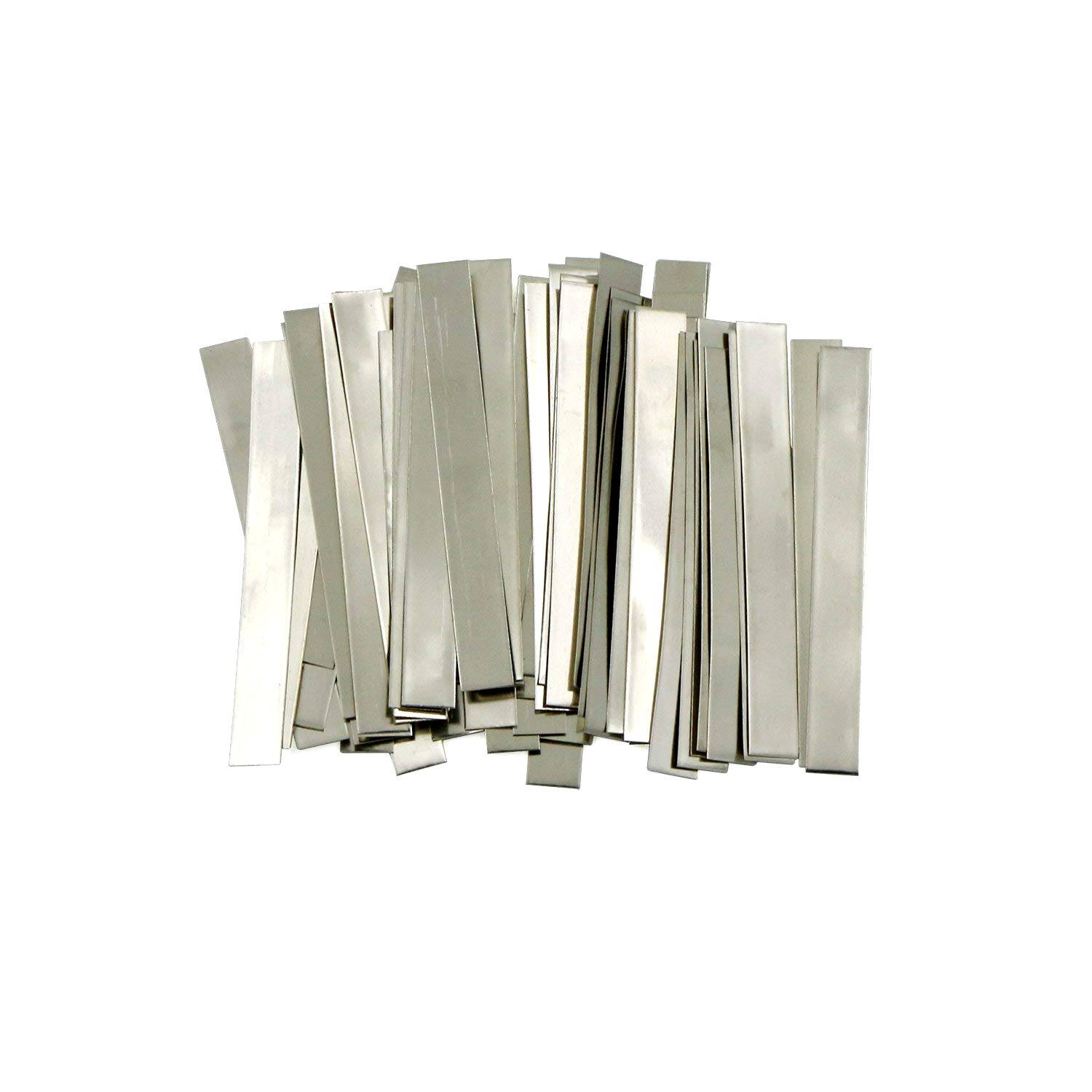

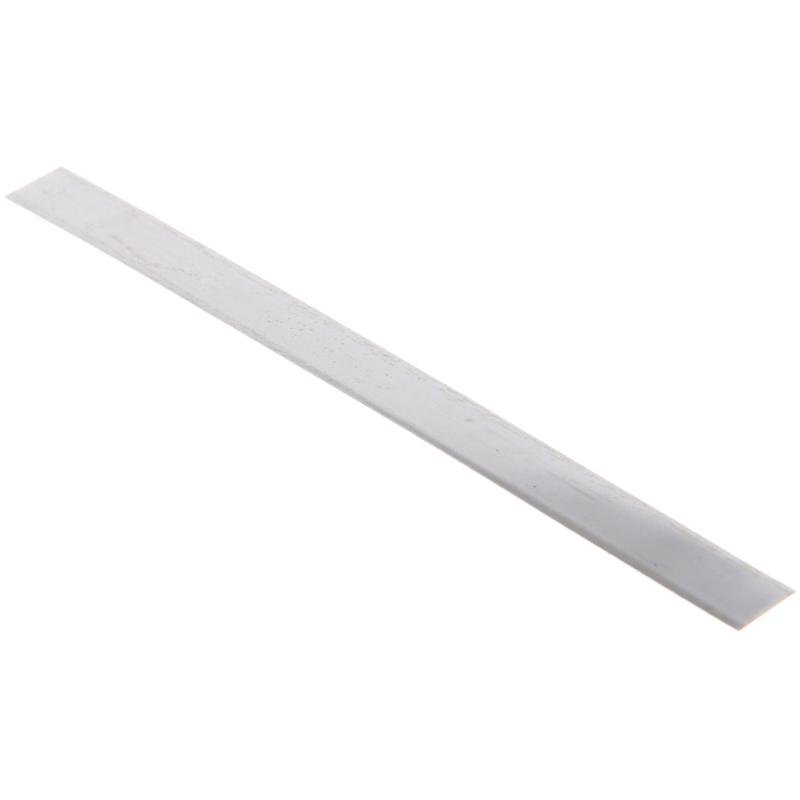

SPIDER Automation | 99.96% Pure Nickel Strip for Battery Spot Welding | 0.1mm × 8mm × 100mm
The SPIDER Automation 99.96% Pure Nickel Strip is designed for electrical interconnection work in rechargeable battery-pack manufacturing, assembly and repair. Made from high-purity nickel material, these strips provide a conductive metal link for connecting individual battery cells in suitable series, parallel and combined configurations.
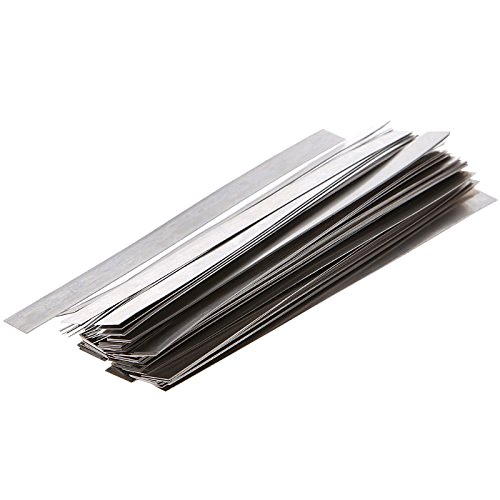
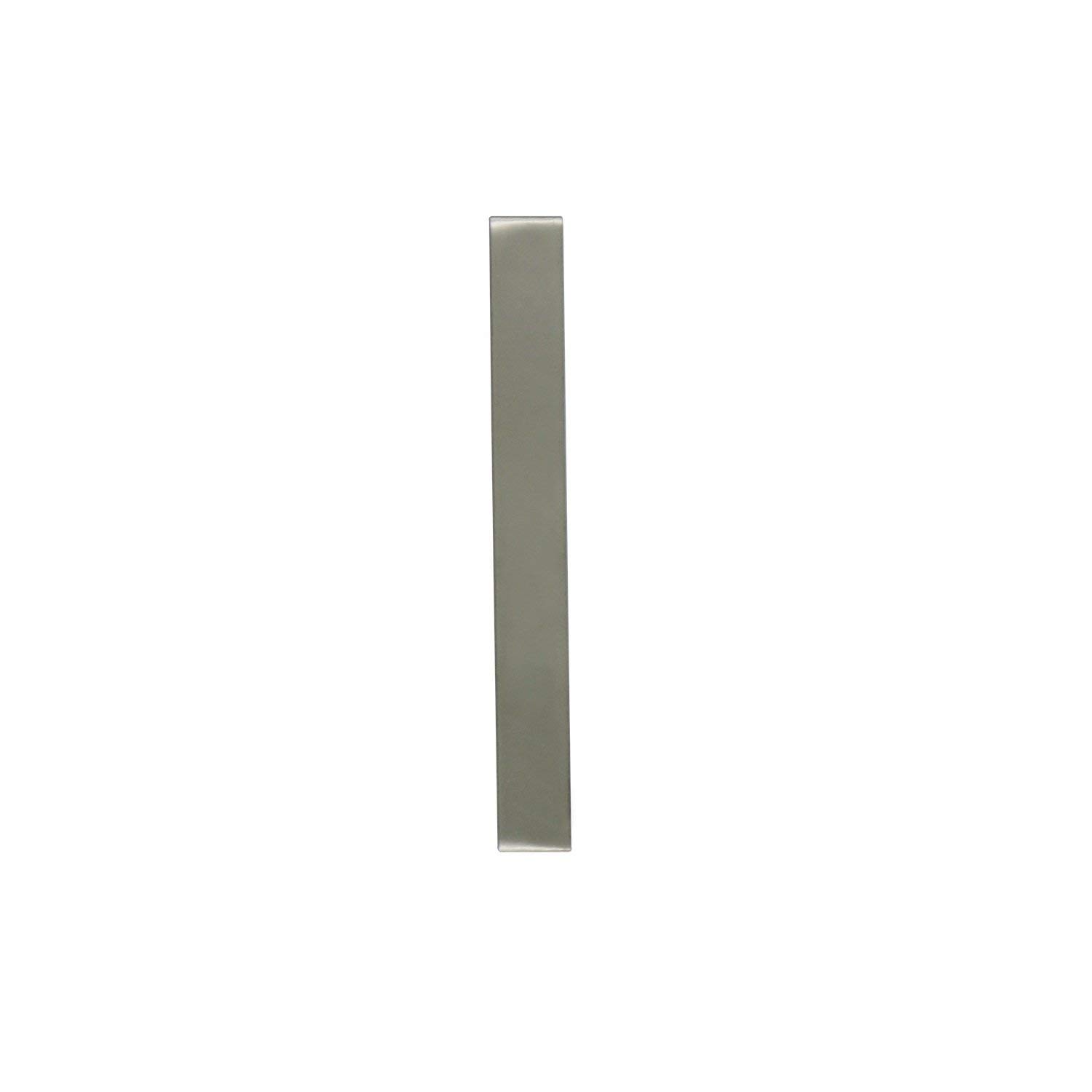
With a compact 0.1mm thickness and 8mm width, each strip is suitable for battery layouts requiring narrow interconnection material. The pre-cut 100mm length simplifies preparation for individual assembly requirements and reduces the need for cutting longer rolls.
Nickel is used in battery interconnection applications for its electrical and mechanical properties. The specified high nickel content and low-resistivity characteristics make this material suitable for compatible battery-pack fabrication processes. It can be joined using an appropriate spot-welding process or soldering method, depending on the assembly design and process requirements.
Technical Features & Material Characteristics
- High-Purity Nickel: Specified nickel content of at least 99.96%, providing a high-purity material for battery interconnection work.
- Low Electrical Resistivity: Nickel material with low-resistivity characteristics for conductive battery connections.
- Thin Strip Construction: The 0.1mm profile is suitable for compact battery-pack layouts.
- Narrow Interconnection Profile: The 8mm width supports battery assemblies requiring narrow metal links.
- Pre-Cut Format: Individual 100mm strips are convenient for preparing battery interconnections.
- Spot-Welding Compatibility: Intended for use with compatible battery spot-welding equipment and suitable welding parameters.
- Solderability: Can be soldered using an appropriate soldering process with controlled heat application.
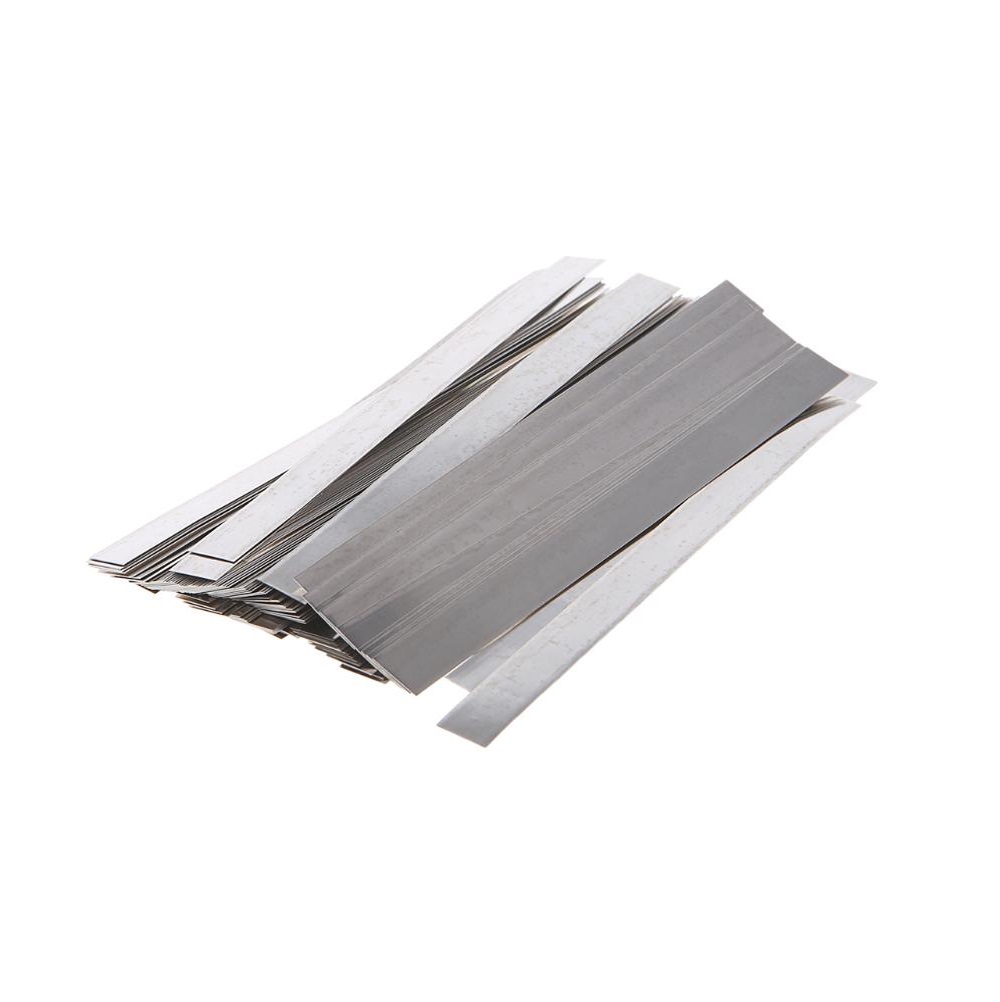
- Pack of 10: Supplied as ten individual strips for battery fabrication and related projects.
Battery Pack Interconnection & Assembly
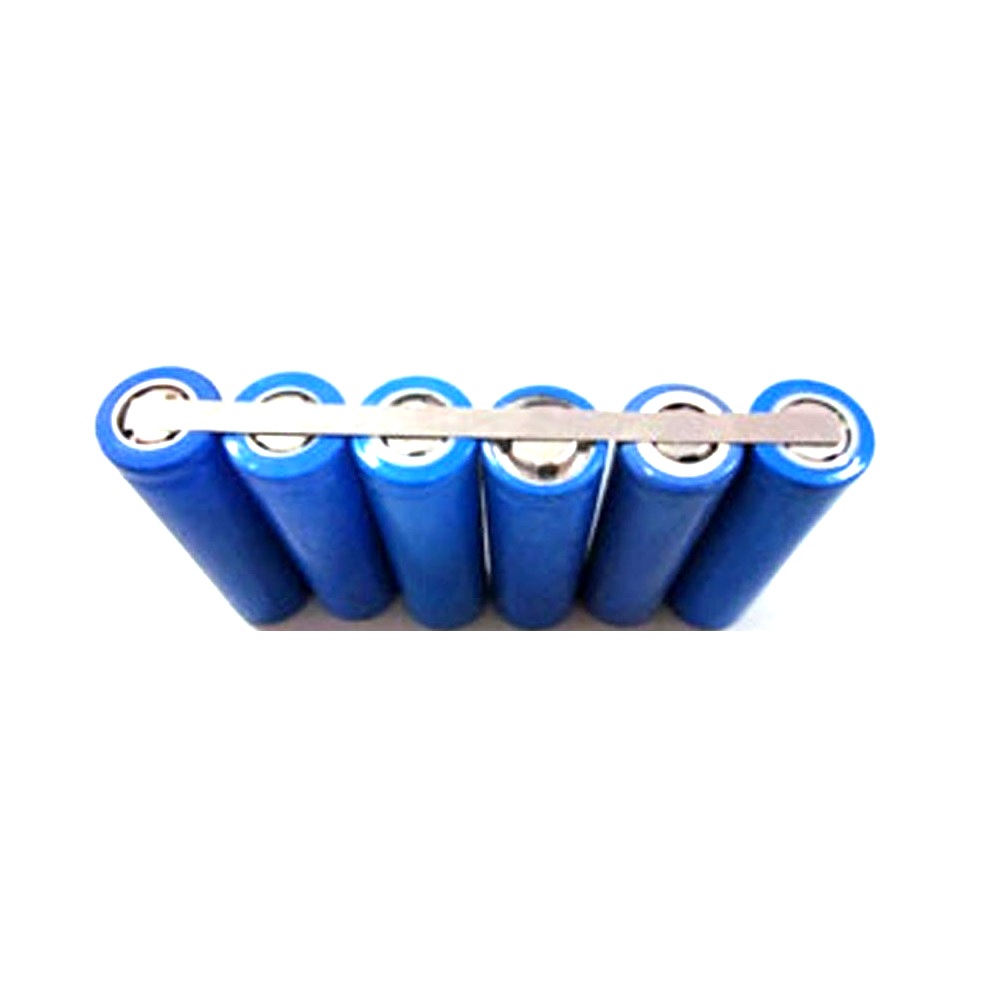
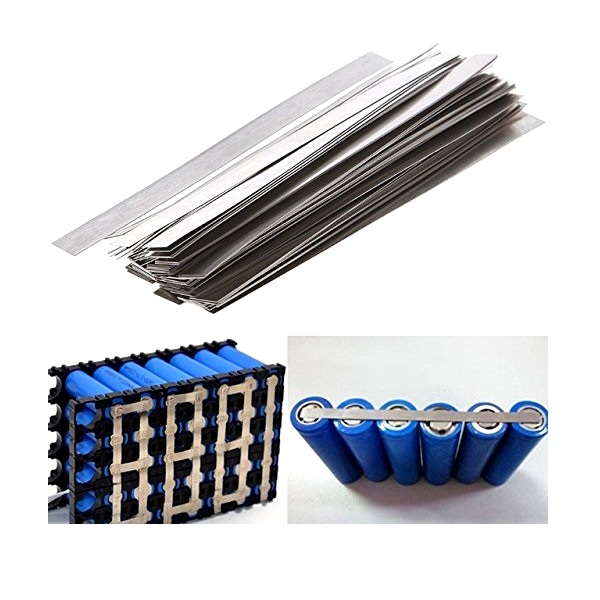
Nickel strips are commonly used to establish electrical connections between battery cells during rechargeable battery-pack fabrication. The strips are positioned across the intended cell terminals and joined using a suitable process to create the required electrical path.
The connection layout depends on the required battery-pack voltage and capacity. In series arrangements, the interconnections join cells to increase pack voltage, while parallel arrangements connect cells to increase the available capacity of the cell group. Series-parallel configurations combine both arrangements.
- Series Cell Connections: Used to connect cells in series for the required battery-pack voltage.
- Parallel Cell Connections: Used in compatible layouts to connect cells in parallel.
- Series-Parallel Assemblies: Suitable for custom battery-pack designs combining series and parallel cell groups.
- Battery Terminal Interconnection: Provides metal links between compatible cell terminals during pack fabrication.
Applications
These pure nickel strips are intended for battery-cell interconnection and custom rechargeable battery assembly projects where the specified dimensions and material characteristics suit the design.
- 18650 Lithium-Ion Battery Packs: For interconnecting compatible 18650 cells during battery-pack assembly.
- Lithium-Ion Battery Fabrication: For custom rechargeable lithium-ion battery configurations.
- Laptop Battery Packs: For suitable cell interconnection work in compatible laptop battery assemblies.
- Power Tool Battery Packs: For battery fabrication projects involving compatible high-discharge cells and suitable interconnection designs.
- Nickel-Metal Hydride Battery Packs: For compatible battery interconnection applications.
- DIY Battery Pack Projects: For custom battery assembly and prototyping.
- Battery Pack Repair: For suitable replacement interconnection work.
- Series Battery Assemblies: For battery layouts requiring series-connected cells.
- Parallel Battery Assemblies: For compatible battery layouts requiring parallel-connected cells.
- Battery Research & Prototyping: For experimental battery-pack construction and interconnection projects.
Package Contents
- 10 × 99.96% Pure Nickel Strips (0.1mm × 8mm × 100mm each)
Note: Battery cells, battery holders, spot-welding equipment and other assembly accessories are not included.
Product Specifications
| Parameter | Specification |
|---|---|
| Product Type | Battery Interconnection Accessory |
| Accessory Type | Welding Strip |
| Material | Pure Nickel |
| Nickel Content | ≥99.96% (specified) |
| Thickness | 0.1mm |
| Width | 8mm |
| Length (Each Strip) | 100mm |
| Quantity | 10 Pieces |
| Supply Format | Pre-Cut Strips |
| Intended Application | Battery Cell Interconnection |
| Welding Application | Compatible Battery Spot Welding |
Connection & Operating Recommendations
For reliable battery-pack fabrication, select the interconnection material according to the pack’s electrical requirements, cell arrangement and joining method. Use suitable welding equipment and process settings for the strip dimensions, and ensure that the completed battery assembly is properly insulated and protected.
- Strip Positioning: Arrange each strip over the intended battery terminals according to the electrical connection layout before joining.
- Spot-Welding Process: Use a compatible battery spot welder with pulse energy and electrode pressure appropriate for 0.1mm pure nickel material.
- Soldering Process: Where soldering is appropriate for the assembly, use controlled heat and minimize heating time to limit thermal exposure to the battery cells.
- Current Requirements: Select the strip configuration according to the expected current, connection geometry and thermal conditions. No specific current rating is provided for this product.
- Cell Configuration: Follow the intended series or parallel connection design carefully to establish the required pack voltage and capacity.
- Insulation & Protection: Use suitable insulating materials and an appropriate battery protection system as part of the completed battery-pack design.