
SPIDER Automation | 5.8GHz 3dBi RHCP 4-Leaf Clover FPV Antenna with Protective Cover | Omnidirectional Antenna for Multicopters
Product Overview & Antenna Design
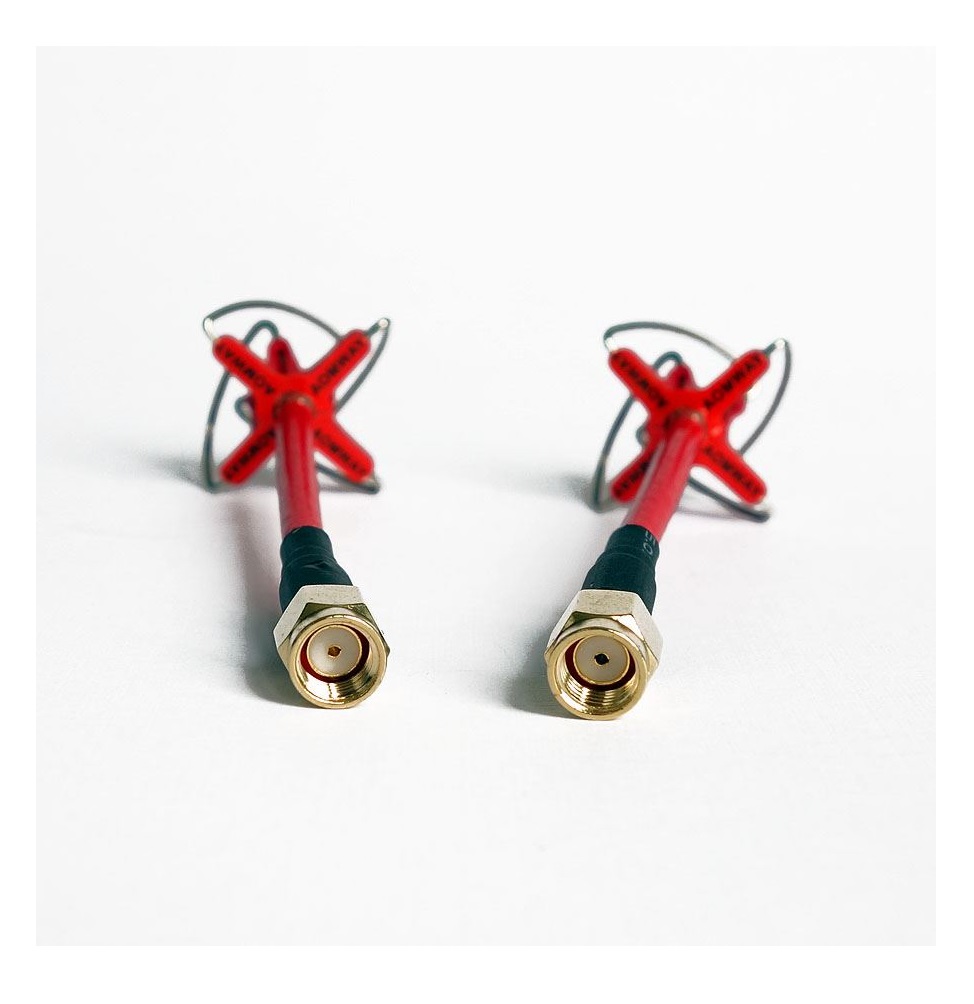
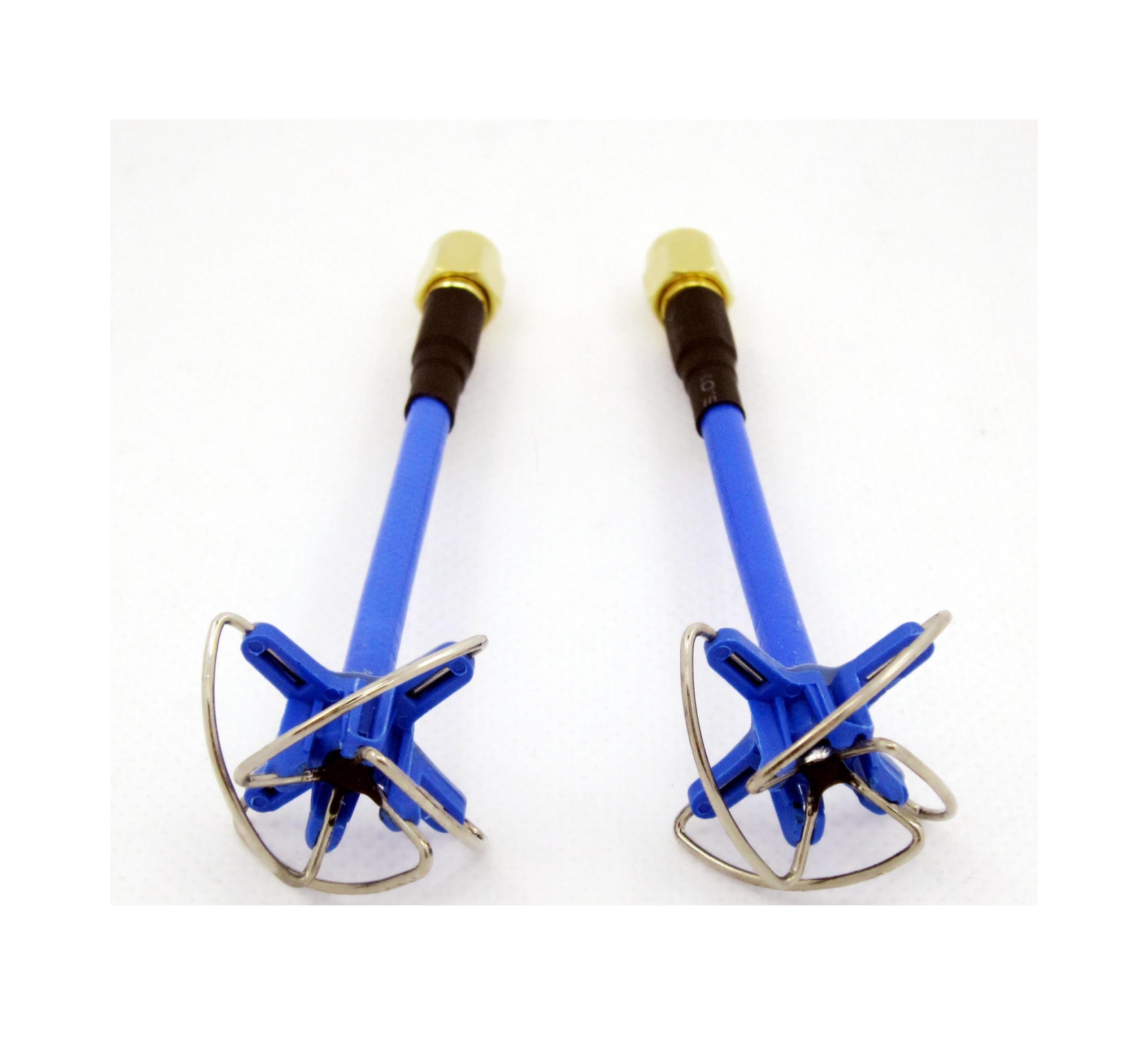
The SPIDER Automation 5.8GHz 3dBi RHCP 4-Leaf Clover FPV Antenna with Protective Cover is an antenna assembly developed for compatible 5.8GHz FPV video transmission and reception systems. Its four-leaf clover structure is configured for Right-Hand Circular Polarization (RHCP) and omnidirectional radiation, making it suitable for multicopters, FPV racing drones and other radio-controlled aircraft where the relative orientation between transmitting and receiving antennas changes during operation.
The antenna has a stated gain of 3dBi and a specified standing wave ratio (VSWR) of less than 1.5. These parameters provide useful references when selecting an antenna for a compatible FPV radio-frequency system. Its 5.8GHz operating frequency is intended for compatible AV transmitters and receivers operating in the same frequency band.
The mechanical assembly incorporates two protective design elements: reinforcement around the cloverleaf base and a separate protective top cover. The reinforced base provides additional mechanical support around the antenna element, while the lightweight cover is intended to protect the antenna wire assembly during drone installation. The supplied package contains one antenna with its protective cover.
Technical Features & RF Performance Characteristics
- 5.8GHz Frequency Operation: Designed for compatible FPV AV transmitter and receiver systems operating in the 5.8GHz band.
- 3dBi Stated Gain: Provides the specified antenna gain for RF system selection and configuration. Actual communication performance depends on transmitter output, receiver sensitivity, antenna placement, interference and the surrounding RF environment.
- RHCP Polarization: Uses right-hand circular polarization. Matching RHCP antennas at both ends of a circularly polarized FPV link help maintain the intended polarization configuration.
- Four-Leaf Clover Geometry: The cloverleaf element provides the antenna structure used for circularly polarized RF operation.
- Omnidirectional Coverage: Designed to provide coverage around the antenna rather than concentrating RF energy into a narrow directional beam. This is useful for aircraft that change heading and orientation during flight.
- VSWR Below 1.5: The specified standing wave ratio is an RF matching reference for evaluating the antenna with compatible equipment. Actual matching performance can vary with installation and operating frequency.
- Reinforced Cloverleaf Base: Additional reinforcement around the antenna base is intended to support the cloverleaf assembly and reduce its susceptibility to unwanted physical damage.
- Protective Top Cover: A separate cover is included to help protect the antenna wire assembly during installation. It is described as a lightweight component that adds protection without significantly increasing antenna weight.
Polarization & FPV System Compatibility
Circular polarization is commonly used in FPV video systems to help manage signal degradation associated with multipath propagation. Multipath interference occurs when transmitted RF signals reach the receiving antenna through multiple reflected paths. Depending on the environment and antenna arrangement, these reflected signals can affect the quality and stability of the received video link.
This antenna uses RHCP polarization. For a circularly polarized FPV link, the antenna at the opposite end should normally use matching RHCP polarization. The polarization arrangement, antenna positioning and orientation all influence the resulting RF link. Circular polarization can help reduce the effect of certain reflected signal components, but it does not guarantee a particular transmission range or eliminate interference.
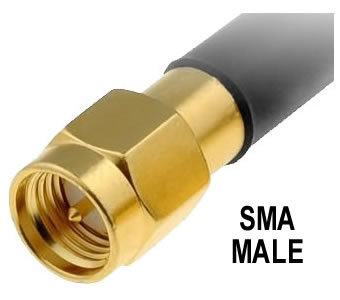
The antenna is intended for compatible 5.8GHz AV transmitters (VTX) and video receivers (VRX). Before installation, confirm the operating frequency, RF impedance and exact connector interface of the connected equipment. The source identifies the connector as SMA male; standard SMA and RP-SMA connectors are different interfaces and should not be treated as interchangeable.
Mechanical Construction & Protective Cover
The antenna features a reinforced area around the base of its four-leaf clover assembly. This reinforcement is intended to improve mechanical support around the antenna element, where handling and installation can place physical stress on the structure.
A separate protective top cover is included in the package. Its purpose is to protect the antenna wire assembly during installation on a multicopter or drone. The cover is described as lightweight, allowing the antenna assembly to retain a compact form factor while providing additional physical protection.
The stated antenna dimensions are 85 × 25mm, with a product weight of 8g. These measurements are useful when checking available mounting space, antenna clearance and aircraft weight requirements. The antenna should be installed so that the cloverleaf element and protective cover do not interfere with propellers, moving parts or surrounding structures.
Applications
This 5.8GHz RHCP cloverleaf antenna is intended for compatible FPV video systems that require an omnidirectional circularly polarized antenna. Its connector interface and physical dimensions should be checked against the target equipment before installation.
- FPV Racing Drones: For compatible racing quadcopters using 5.8GHz video transmission and RHCP antenna configurations.
- FPV Freestyle Multicopters: For freestyle aircraft where changing flight orientation makes omnidirectional antenna coverage useful.
- RC Multirotor Platforms: For compatible multirotor aircraft equipped with 5.8GHz FPV video systems.
- FPV Video Transmitters: For VTX installations with a compatible SMA antenna connection and suitable RF output interface.
- FPV Video Receivers: For VRX installations configured to receive compatible 5.8GHz RHCP signals.
- Analogue FPV Systems: For compatible analogue video transmission and reception systems operating in the intended frequency band.
- Omnidirectional Antenna Configurations: For aircraft installations requiring coverage around the antenna rather than a focused directional beam.
- Custom-Built FPV Aircraft: For custom multicopter assemblies requiring a compact 5.8GHz circularly polarized antenna.
- Ground-Based FPV Receiver Systems: For compatible ground receiver installations using a matching RHCP antenna arrangement.
- FPV Antenna Replacement: For replacing an existing antenna when frequency, polarization, connector and RF impedance requirements are compatible.
Package Includes
- 1 × 5.8GHz 3dBi RHCP 4-Leaf Clover FPV Antenna with Protective Top Cover
Product Specifications
| Parameter | Specification |
|---|---|
| Product Type | 4-Leaf Clover FPV Antenna with Protective Cover |
| Operating Frequency | 5.8GHz |
| Antenna Gain | 3dBi |
| Polarization | RHCP (Right-Hand Circular Polarization) |
| Radiation Pattern | Omnidirectional |
| Standing Wave Ratio (VSWR) | Less than 1.5 |
| Connector Type | SMA |
| Connector Gender | Male (as listed) |
| Antenna Structure | 4-Leaf Clover |
| Base Construction | Reinforced Cloverleaf Base |
| Protective Cover | Included; Top Cover Only |
| Dimensions | 85 × 25mm |
| Product Weight | 8g |
| Package Quantity | 1 Antenna with Protective Cover |
Connection & Operating Recommendations
Correct connector matching, polarization alignment and mechanical installation are important for integrating the antenna into an FPV system. Verify the connected equipment specifications before installation and operation.
- Verify the SMA Interface: Confirm that the connected VTX or VRX has a compatible SMA female interface. Check the centre-contact arrangement rather than relying on connector thread appearance alone.
- Match RHCP Polarization: Use a matching RHCP antenna at the opposite end of the circularly polarized FPV link for the intended polarization configuration.
- Confirm Frequency Compatibility: Check that the connected transmitter and receiver operate at 5.8GHz.
- Check RF Impedance: Ensure that the antenna is connected to compatible 50Ω RF equipment and suitable coaxial connections.
- Install the Protective Cover: Position the supplied top cover as intended to protect the antenna wire assembly during installation.
- Provide Mechanical Clearance: Mount the antenna away from propellers, moving components and structures that may contact or obstruct the antenna.
- Avoid Excessive Mechanical Stress: Do not bend or force the cloverleaf element or apply unnecessary twisting force to the connector during installation.
- Check the RF Connection: Ensure that the antenna is securely connected before powering the compatible FPV transmitter.